江戸切子、受け継がれる美のかたち|TRADITION, REIMAGINED
2026.10.22
光を受けてきらめくガラスに、緻密な文様を刻む江戸切子。その美しさをネイルへと昇華したネイルアーティストshoko.氏と、江戸切子作家の根本幸昇氏が対談。異なる分野の二人が、ものづくりへの想いと伝統の先に広がる新たな表現について語り合う。
Edo Kiriko glass catches the light, revealing intricate patterns carved into its surface. Nail artist shoko. has translated the beauty of this traditional craft into nail art, and here, she joins Edo Kiriko artisan Kosho Nemoto in conversation. Coming from different creative fields, the two reflect on their approach to craftsmanship and explore new forms of expression that emerge from tradition.
——まず、現在のお仕事を始めたきっかけと、続けていくなかで感じる仕事の面白さを教えてください。
根本幸昇氏(以下、根本) 初代である祖父の死をきっかけに、改めて家業と向き合ったことが始まりです。考えているだけでは答えが出ず、まずは自分の手で触れてみようと思いました。祖父は、業界の中でも非常に独創的な表現者で、当時は同業者から理解されないことも少なくなかったと聞いています。実は私自身も、その表現をすぐには理解できませんでした。ただ、制作を重ねるほどに「祖父はこういう景色を見ていたのかもしれない」と、時を越えてその美学に気づく瞬間があるんです。自分の表現を深めることが、祖父への理解を深めることにもつながる。そこが今でもとても面白いですね。
shoko.氏(以下、shoko.) 体育大出身で、元々は水泳のインストラクターをしていたのですが、昔から絵を描くことが好きで、いつか仕事がしたいという夢を諦められず…。ただ絵を描くだけでは、たくさんの人の中に埋もれてしまうかもしれない。そう考えたときに、“小さな爪というキャンバスに絵を描く”というネイルの表現に惹かれ、25歳でネイルの道に進みました。江戸切子ネイルとの出合いは、ネイリスト2年目の頃。サロンで埋もれないよう、人と被らないネイルを研究していたとき、エキスポのネイルチップコンテストで江戸切子ネイルを目にして、一瞬で釘付けになりました。ただ、それはコンテスト用の作品で、チップの裏からも模様を描くなど、サロンワークでの再現は難しいデザインでした。どうにかお客様にも施術できる形にできないかと研究を始め、納得のいく完成度になるまでに3年。個展にも何度も足を運んで現物を見るなど、当時は没頭していましたね。今は、お客様から「こんなに繊細なものがネイルで描けるんだ」「再現度がすごい」と言っていただけることが、とても嬉しいです。好きなことと、自分にしかできない表現を掛け合わせていく中で、ネイルを選んでよかったと改めて感じています。
——To begin with, what inspired you to pursue the work you do today, and what do you find most fascinating about it?
Kosho Nemoto (hereafter, Nemoto) It all began when my grandfather, the founder of our family business, passed away. His death made me take a fresh look at the family craft. I realised that I would never find the answers simply by thinking about it, so I decided to experience it with my own hands. My grandfather was an incredibly original artist, even within the world of Edo Kiriko, and his work was not always well understood by his peers. In fact, I didn’t understand it myself at first. But the more I make, the more I have these moments when I realise, across the boundaries of time, that perhaps this is the landscape my grandfather was seeing. Deepening my own expression has also helped me understand my grandfather more deeply. That is something I still find fascinating.
shoko. I studied at a university specialising in physical education and originally worked as a swimming instructor. But I had always loved drawing and wanted to turn it into a career. That’s when I became fascinated by nail art as a way of painting on a tiny canvas: the nail. I entered the nail industry at 25. I first encountered Edo Kiriko nail art in my second year, when I came across an Edo Kiriko-inspired piece at a nail tip competition. I was captivated instantly. However, the competition piece was difficult to recreate in salon work, so I began researching how to make it something I could offer to clients. It took three years to reach a result I was happy with, during which I even visited exhibitions to study the original pieces in person. Now, it makes me incredibly happy when clients tell me they never knew something this intricate could be created on nails, or that the reproduction is amazing. Combining something I love with an expression that only I can create has made me realise once again that choosing nails was the right path for me.
——先ほど、お互いの作品や制作工程をご覧いただきましたが、実際に見てみていかがでしたか?
根本 “江戸切子ネイル”と聞いて想像していた以上に、緻密なデザインを再現されていることに驚きました。
shoko. まさか制作工程を間近で見学させていただけるなんて思ってもみなかったので、本当に感動しました。正確かつ手早くカットラインを入れていく姿に圧倒されました。根本さんの作品は、カットラインが終わりにかけて細くなっていくんですね。そこに、ガラスとは思えないしなやかさと、柔らかな印象を感じました。まだまだ自分の作品にも突き詰められるところがあるなと気づきがあって嬉しいです。
根本 使っている技法そのものは他の作家さんとそう変わりません。けれど、その技法から生まれる表現は、今では自分独自のものになっていると自負しています。なかなか言葉では伝えにくいものですが、あえて言語化するなら、柔らかさの中に繊細さがあり、どこか妖艶な女性を思わせるみずみずしさ。そうした生命感が、今の自分の作品には滲み出ているように思います。ネイルとカットガラスには、どちらも艶やかで、光を拾うことで表情が生まれるという共通点があると感じています。shoko.さんの作品は、その点もしっかりと捉えて、作品に昇華されていますね。これはどのようにして作っているんですか?
shoko. 完成形はもちろん本来の江戸切子を目指していますが、制作の発想としては真逆なんです。削って文様を浮かび上がらせるのではなく、文様の部分をジェルで盛って描いていきます。また江戸切子特有のガラスの輝きと透け感をしっかりと表現することにもこだわっています。
——You have just had the opportunity to see each other’s work and processes up close. What did you make of the experience?
Nemoto I was amazed by how precisely you had recreated the intricate designs, far beyond what I had imagined when I first heard ‘Edo Kiriko nails’.
shoko. I never imagined I’d have the chance to observe the making process so closely, so I was genuinely moved. Watching you add the cut lines with such precision and speed was overwhelming. I noticed that the cut lines become finer towards the end. It gives the glass a softness and fluidity that you wouldn’t normally associate with the material. It was exciting to realise that there are still areas I can explore further in my own work.
Nemoto The techniques themselves are not particularly different from those used by other Edo Kiriko artists. But I believe the expression that emerges from them has become distinctly my own. It is difficult to put into words, but I’d describe it as delicacy within softness, combined with a fresh, almost sensual quality that brings to mind an alluring woman. I feel that sense of vitality comes through in my work. I think nails and cut glass have something in common: both have a lustrous quality and reveal different expressions as they catch the light. Your work captures that beautifully and translates it into a new form. How do you create it?
shoko. Of course, I aim to recreate the essence of Edo Kiriko as faithfully as possible, but the actual approach is almost the complete opposite. Rather than cutting away the surface to reveal the pattern, I build it up using gel. I am also very particular about recreating the distinctive brilliance and translucency of Edo Kiriko glass.
——デザインのインスピレーション源はありますか?
shoko. 江戸切子ネイルに関しては、やはり“江戸切子”という、昔から守り続けられてきた伝統工芸の形があり、そこに対する大きなリスペクトもあるので、自分の勝手な解釈を加えてはいけないという思いが強いです。そのため、伝統的な文様を忠実に再現することにこだわり続けてきました。
根本 なるほど。私個人としては、様々な江戸切子の表現から何かを感じ取り、それを起点にしながらも、ネイルならではの新しい表現をどんどん生み出していってほしいと思います。江戸切子をそのまま再現するのではなく、そこから着想を得て、また別の表現へと昇華されていく。そうした広がりが生まれるのはとても素敵なことですし、意義のあることだと思いますよ。
shoko. そう言っていただけると、とても励みになります! 根本さんの作品を拝見していても、非常に独創性の高いデザインが多いなと思いました。何かモチーフやアイデアのヒントになっているものはありますか?
根本 結果的に見ると、蝶や花、光など、自然のモチーフが多いかもしれません。バランスの取れたもの、均衡のとれたものを求めていくと、必然的にそうした自然の造形に寄っていくんですよ。ただ、それをそのまま描くことには全くそそられなくて。あくまで発想の起点として、そこから抽象度を高めて落とし込んでいくのが好きなんです。もちろん作り手によって違いますが、祖父の場合は、公園をよく散歩していて、そこで出合う動植物を作品に取り入れてみようと考えていました。ほかにも建物が好きで、そこからインスピレーションを得る作家もいたりと、好みからも作家ならではの個性が強く表れると思います。
shoko. こちらの『蝋-Rou-』という作品には、どのようなテーマがあるのですか?
根本 『蝋-Rou-』は、ロウソクに灯る火に息を吹きかけたような揺らぎや、その状況が纏う雰囲気そのものを表現したくて生まれました。元々は『雫-Shizuku-』という父のデザインがあって、そこに再解釈を加えながら三回ほど作り替えて、今の形に落ち着いたんです。父の代表作でもあるグラス『雫-Shizuku-』は、シンプルに水の美しさを表現したものでした。自社の量産ラインにも、三代目としてアイコニックなデザインを一つ決めておきたいという思いがありました。「これを見れば誰のものかわかる」と思ってもらえる、そんな代表作を作りたかったんです。
——Where do you find inspiration for your designs?
shoko. When it comes to Edo Kiriko nails, there is already a traditional craft that has been carefully preserved for generations. I have enormous respect for that tradition, so I’ve always felt that I shouldn’t impose my own interpretation on it. That’s why I’ve continued to focus on faithfully recreating its traditional patterns.
Nemoto I see. Personally, I’d love for you to take inspiration from the many forms of Edo Kiriko while developing new expressions unique to nail art. Rather than simply reproducing Edo Kiriko, you can take inspiration from it and transform those ideas into something entirely different. I think that kind of expansion is wonderful and meaningful.
shoko. Hearing you say that is incredibly encouraging! Looking at your work, I was also struck by how original many of your designs are. Are there any particular motifs or ideas that inspire you?
Nemoto Looking back, I suppose there are quite a few natural motifs, such as butterflies, flowers and light. When you pursue balance and harmony, you naturally find yourself drawn towards forms found in nature. But I’m not interested in simply depicting them as they are. I like using them as a starting point, then increasing the level of abstraction and translating them into my own form. It differs from artist to artist. My grandfather, for example, often walked through parks and thought about incorporating the plants and animals he encountered into his work. Others draw inspiration from architecture. I think an artist’s personal tastes reveal a great deal about their individual character.
shoko. What was the theme behind this piece, Rou?
Nemoto With Rou, I wanted to capture the flickering quality of a candle flame, almost as if someone had gently blown across it, as well as the atmosphere surrounding that moment. It originally came from a design by my father called Shizuku. I reinterpreted and reworked it around three times before arriving at the form you see today. My father’s signature glass, Shizuku, was a simple expression of the beauty of water. As the third generation, I also wanted to establish an iconic design within our production line. I wanted to create a signature piece that people would recognize as mine just by looking at it.
——これまでにない表現を生み出していくということに対して、困難や葛藤はありませんでしたか?
根本 もちろんありました。伝統工芸には、古くから受け継がれてきたものを守り、継承していくという価値観があります。ただ、今の私は、同じ技法を用いながらも表現を進化させ、新しいものを生み出し続けなければ、伝統そのものが途絶えてしまうという危機感の方が強いです。作家3年目で新作展に初出展した際、『憧れ』という作品で受賞し、すぐ個人のお客様にも購入していただいたんです。本質とクオリティが伴っていれば、ちゃんと評価してもらえる。そう思えてからは、あまり迷わなくなりました。ただ一方で難しいのは、大衆的に受け入れられると、そこで止まってしまうということです。「高いけど、これは何だろう」という声がまず上がるくらいでないといけない。世の中にまだないものは、誰も気づいていないから存在しないのか、やってはいけないから存在しないのか。そのどちらかなんです。ギャンブルのようですが、どちらにコミットするかで人生が変わると思っています。
shoko. 私の場合は、これまでサロンワークにこだわりすぎていたところがありました。お客様のツメに施術できることにこそ価値があると思い、そこにプライオリティを置いていたので、やりたいことと、できることの間にギャップがあって。そこには葛藤もありました。ただ最近は、“作品”として残る形でネイルを制作する方もいらっしゃいますし、チップ作家という、ネイリストとしての新しい活動の形も増えているように思います。どちらがいいという話ではなく、飾れる作品として、ツメから離れて展示しても美しいものを作る。クオリティを最優先にして制作活動を突き詰めていく、という形も素敵だなと思えるようになりました。
根本 確かに、サロンワークが本筋である以上、お客様に施術できるか、喜んでもらえるかは大事でしょうし、“限りあるから美しい”という考え方もできますよね。それに、私たちの場合は、最終的にお客様の姿を見ることができません。購入していただいても、家でどう使われ、どう過ごしてもらえているのかはモニタリングできないので、その方とどこかで奇跡的に再会するまで、油断できないんです。「物として残るからいいよね」と言われますが、そこが見えないのが惜しいところです。でもネイルなら、仕上がったときの表情と、それを身につけて過ごしてみてどうだったかを、また来店した時に聞くことができる。それはそれで、“お客様と直接向き合いながらつくること”の大きな意味だと思います。
——Have you ever experienced difficulties or conflicts when trying to create expressions that haven’t existed before?
Nemoto Of course. Traditional crafts are built on preserving and passing down what has been inherited, but I feel strongly that unless we continue evolving our expression and creating something new, the tradition itself could eventually disappear. In my third year as an artist, I entered a new work exhibition with Akogare, which won an award and was soon purchased by a private collector. That experience showed me that if a work has genuine substance and quality, it will be recognised. Since then, I have worried less about taking risks. The challenge is that once something becomes widely accepted, it can be easy to stop there. I believe there should still be an element of unfamiliarity, something that leaves people thinking it’s expensive, but wondering what exactly it is. When something doesn’t yet exist, perhaps nobody has noticed it, or perhaps people believe it shouldn’t be done. It’s a gamble, but I believe the choice of which path to commit to can change the course of your life.
shoko. I had become too focused on salon work, believing that the real value lay in being able to apply my work directly to a client’s nails. That created a gap between what I wanted to create and what I could actually do, and I struggled with it. Recently, though, I’ve come to appreciate nail art as a work in its own right, with nail tip artists emerging as a new creative path. It’s not about one approach being better than the other; I simply find it exciting to create work that remains beautiful even away from the nail, and to push the quality of my work as far as I can.
Nemoto That’s true. If salon work is at the heart of what you do, being able to make a client happy is important. There is also beauty in something precisely because it is temporary. In our case, however, once a piece leaves our hands, we rarely get to see how the customer lives with it. Even when someone purchases a piece, we don’t know how they use it or what they think of it afterwards. That’s one of the things I find frustrating about the work. With nails, you can see the client’s reaction when the work is finished, and when they return, you can ask how it felt to wear it. I think being able to create while directly engaging with the customer is one of the great values of the work.
——改めて、江戸切子の魅力とは?
根本 カット面や線の角度、幅、そこに当たる光の種類や情景によって、屈折や透け感は無限に変化します。同じ作品であっても、光一つで全く違う表情を見せる。その物理的な美しさには、今でも日々新しく惹かれます。そしてもう一つ、手に取る人の背景や物語によって、美しさの意味そのものも変わっていく。ある人には明るく映り、ある人には儚く映る。光がつくる美しさだけでなく、人の内面によって生まれる美しさにも無限の表情がある。それも、この表現に惹かれ続ける理由の一つです。
shoko. まずはカットの精密さです。ただそれだけではなく、正面から見たときの柄と、底から覗いたときに浮かび上がる柄とではまったく異なるところにも惹かれました。一つの作品の中に、見る角度によって違う表情がある。その繊細な表現を生み出せるのは、職人の技術があってこそだと思います。そして、同じ江戸切子でも、職人によって表現や個性が違う。職人の技術そのものが作品として表れ、そこにその人らしさが宿ることにも、魅力を感じています。また、江戸切子もネイルも、一見すると小さなキャンバスの中に、技術やこだわり、そして作り手の個性を込めることができる。そこに、共通する魅力を感じています。
——Looking back, what is it that makes Edo Kiriko so compelling to you?
Nemoto The refraction and translucency can change infinitely depending on the angle and width of the cuts, as well as the light and setting in which a piece is viewed. Even the same piece can take on a completely different expression with a change in light. I’m still discovering new forms of beauty in that physical quality. There is another aspect, too: the meaning of beauty changes depending on the person looking at it. To one person, it may appear bright; to another, fleeting or fragile. It isn’t only the beauty created by light, but also the endless expressions that emerge through the inner world of the viewer. That’s another reason I’m so drawn to this form of expression.
shoko. For me, it begins with the precision of the cuts. I was also fascinated by how differently the pattern can appear from the front and through the bottom of the piece. A single object can take on completely different expressions depending on the angle, and I think that delicate beauty is only possible through the skill of the craftspeople. Each Edo Kiriko artist also has their own style and personality. I love that their technical skill becomes part of the work, allowing their individuality to shine through. Edo Kiriko and nail art share something in common: both may be small canvases, but they allow you to express technique, attention to detail and the personality of the maker. I find that very appealing.
——これから挑戦していきたいことはありますか?
shoko. “江戸切子ネイル”を商標として取りたいですね。そして自分の活動を通して、ネイルの価値を上げていきたい。手を美しくするだけでなく、作品としても評価されるものを残していきたいです。そしてまだ誰もやっていないことを、ネイルに落とし込めるよう挑戦し続けていきたいと思います。
根本 まだどこにも発表していない、自分にとって渾身の作品が仕上がりつつあります。この作品を通して、日本人が生み出す“藝術”の可能性を、改めて世界に示したい。私が長年掲げてきた「工芸から藝術へ」を実現し、かつて世界に誇る藝術文化を築いてきた日本が、現代において再びその存在感を放つ。その一端を、自分の表現で担いたいと思っています。
——Is there anything you would like to take on in the future?
shoko. I’d like to trademark ‘Edo Kiriko Nails’. And through my work, I want to raise the value of nail art. I don’t want it to be seen only as something that makes the hands look beautiful; I want to leave behind work that is also appreciated as art. And I want to continue challenging myself to translate things that nobody has done before into nail art.
Nemoto I am currently completing a piece that I have never shown publicly before, and it is a work I have poured everything into. Through this piece, I want to show the world once again what is possible within the art created by Japanese people. For many years, I have carried the idea of moving from craft to art. I want to realise that vision and contribute, in my own way, to Japan once again demonstrating the presence it once held as a culture that created art admired around the world.
——お二人にとって江戸切子/ネイルとは?
根本 『藝術革命』です。
shoko. 『自分らしさを表現できる小さなキャンバス』です。
——What are Edo Kiriko and nail art to each of you?
Nemoto An artistic revolution.
shoko. A small canvas where I can express who I am.
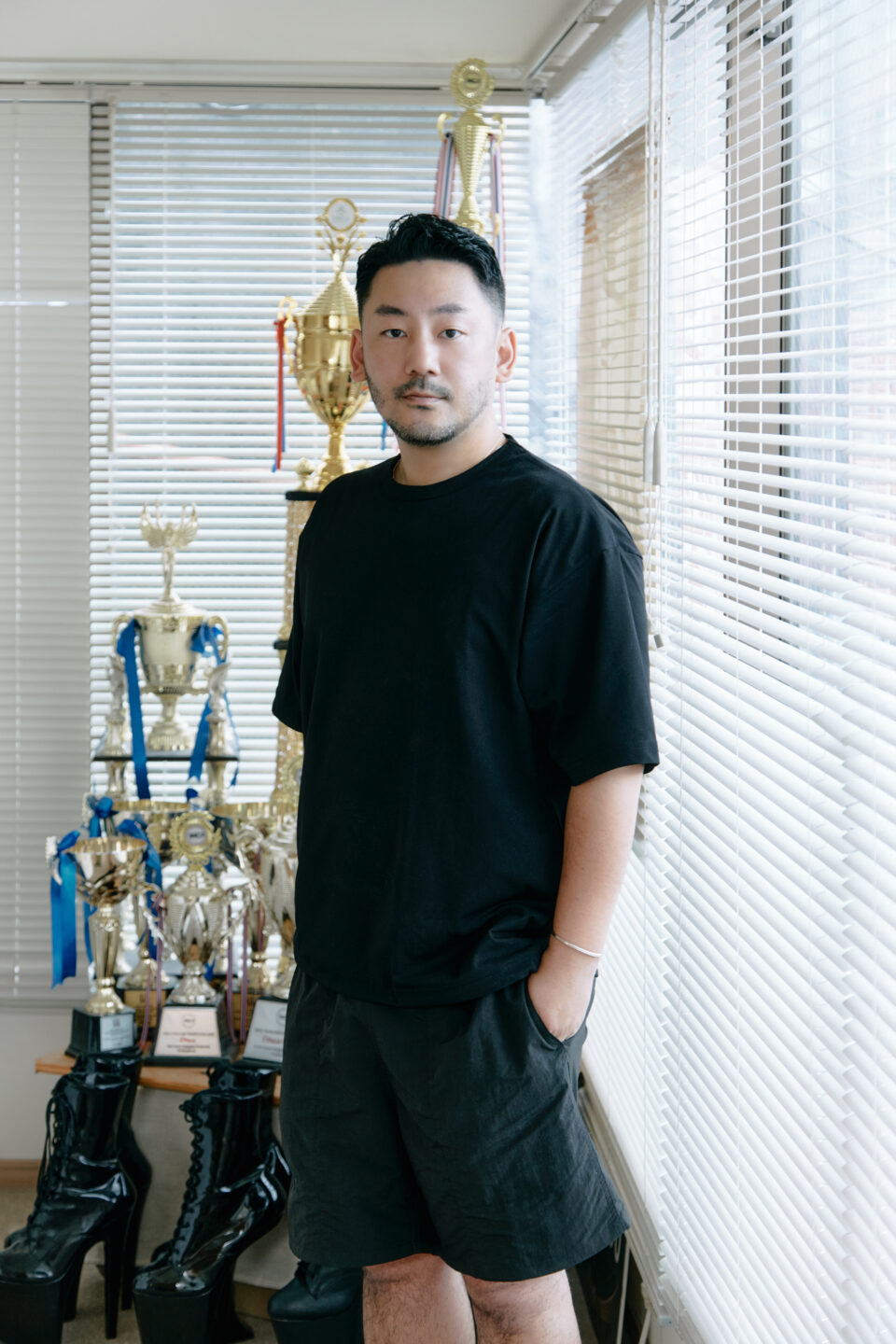
根本幸昇
根本硝子工芸 三代目・江戸切子作家。数々の賞を受賞し、2024年には同展で経済産業省関東経済産業局長賞を受賞。大手ラグジュアリーブランドとのコラボレーションなども手がける。「工芸から藝術へ」を掲げ、伝統的な技法を受け継ぎながら、独自の感性を掛け合わせた現代的な表現を追求している。
Kosho Nemoto
The third-generation craftsman of Nemoto Glass Studio and an Edo Kiriko glass artist. Having received numerous awards, he was honoured with the Director-General’s Award from the Kanto Bureau of Economy, Trade and Industry at the same exhibition in 2024. He has also collaborated with leading luxury brands. Guided by the philosophy “From Craft to Art,” he continues to explore contemporary forms of expression that combine his distinctive sensibility with the traditional techniques he has inherited.
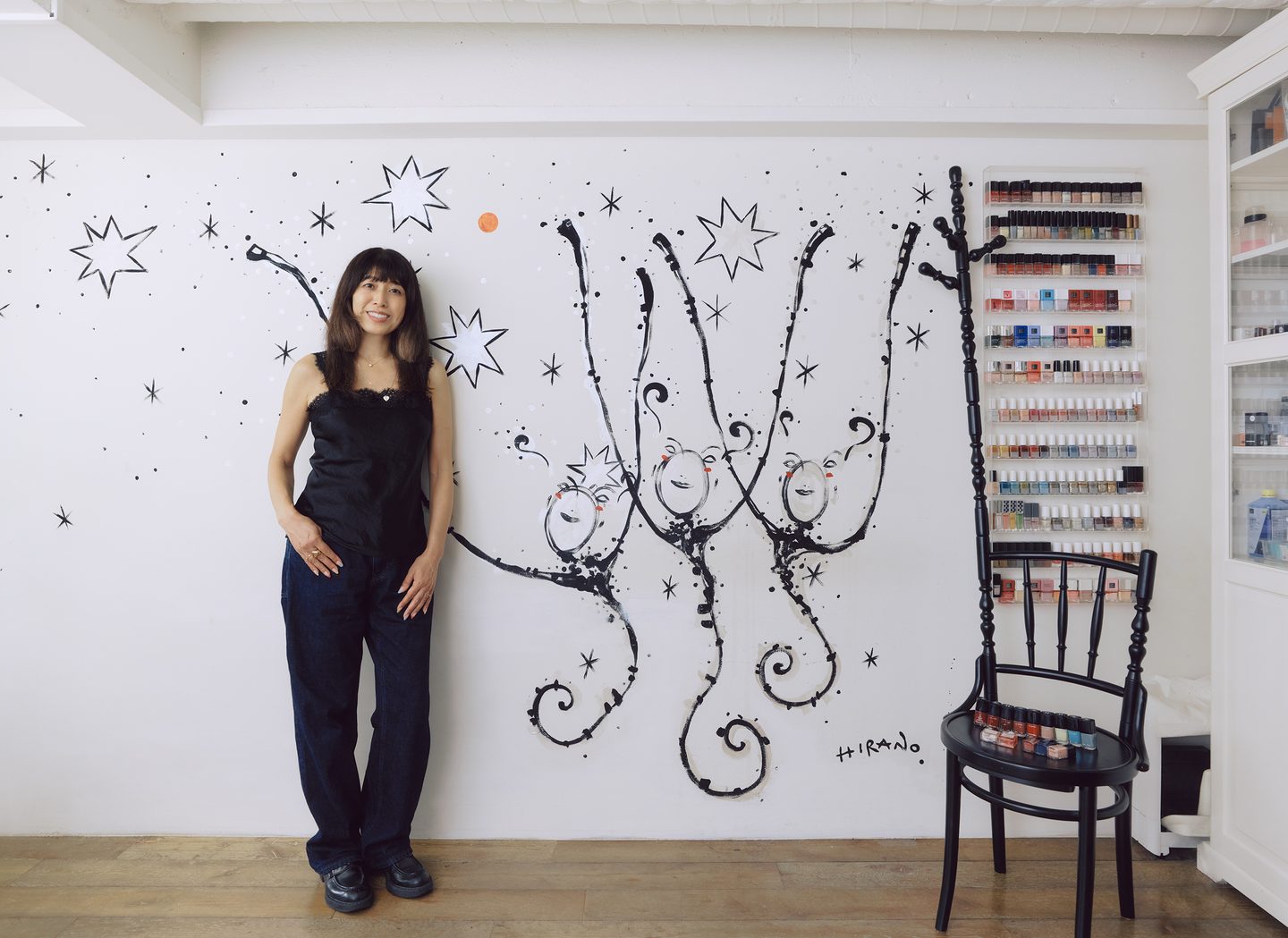
shoko.
ネイリスト。サロン勤務を経て2020年に独立。現在はプライベートネイルサロンを運営するほか、オンラインスクールやセミナーで講師を務め、企業との商品開発など幅広く活動。繊細なアートを得意とし、なかでも3年の歳月をかけて完成させた「江戸切子ネイル」は、江戸切子の伝統的な文様や輝きをネイルで表現した代表作。
shoko.
Nail artist. After working at a nail salon, she went independent in 2020. She currently runs a private nail salon, while also working as an instructor for online courses and seminars, and collaborating with companies on product development. Known for her intricate nail art, she is particularly recognised for her signature ‘Edo Kiriko Nails’, a three-year project that translates the traditional patterns and brilliance of Edo Kiriko craft into nail art.
PHOTOGRAPHER: RYUTO YOSHIDA
EDITOR: MAKO UCHIDA