機能と安全性を高め続ける、科学者の視点|THE NAIL MATERIAL SCIENTIST
2026.10.22
ネイル市場が急成長したこの20年、ネイル材料の研究と開発を担ってきた田中研究員こと田中久生氏。ネイル業界で材料学をわかりやすく解説する稀有な存在に、ネイルの現在と未来を聞いた。
For two decades, Hisaki Tanaka has helped shape the science behind Japan’s fast-growing nail industry. As a rare expert, he explains the science in accessible terms, and shares his perspective on where the industry is – and where it’s headed.
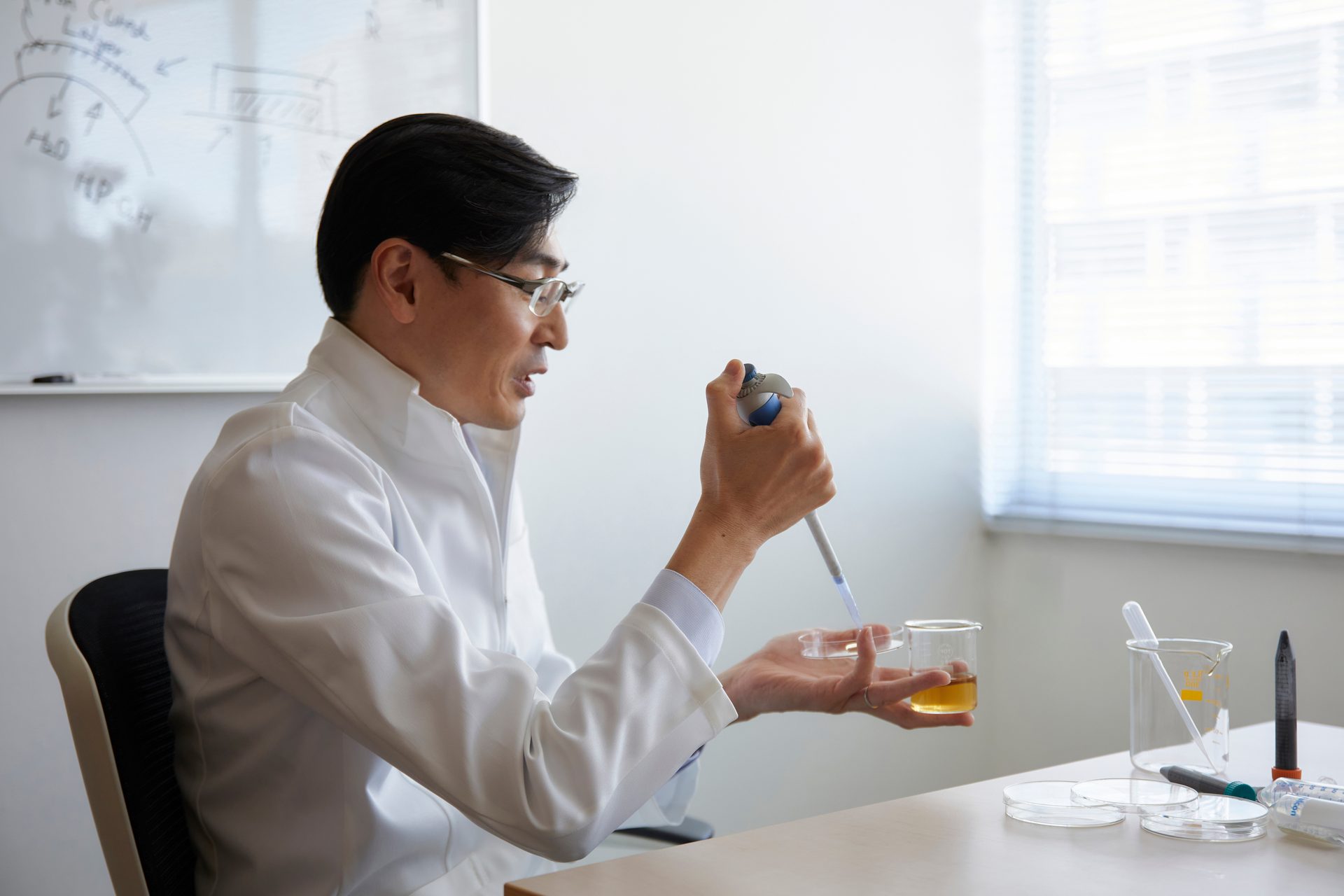
ーーもともとは、歯科材料の研究開発をされていたんですね。
2000年に歯科材料メーカーに入り、その5年後くらいに関連会社でジェルネイルを出すことになりました。新しい研究だったので、私にとってはありがたい話で、そこからネイルの開発をしています。ネイリストさん達は与えられた材料を説明書通りに使わないんですよ。開発側としては意図していないことが起こり、それこそがネイルの発展を支えているんです。だから、そういう新しいやり方を否定せずに”おもろいなー”という目で見て、私もそういう視点を持って開発をしています。だからネイルの研究は面白いんです。
—You started out in dental materials research and development.
I joined a dental materials company in 2000, and about five years later, an affiliated company decided to launch gel nail products. It was a new area of research, and I was excited to be involved. That’s how I started developing nail products. Nail technicians don’t always use materials exactly as instructed. For developers, that can lead to unexpected, new approaches that drive the industry forward. I find these new techniques immensely interesting, rather than rejecting them, they add a new perspective into my work. That’s what makes nail research so fascinating.
—材料学を発信していますが、ネイルに携わる人が材料学を学ぶべき理由は?
“目に見えることが真実ではない” ことが材料の世界にはあるんです。一見、固まっているように見えても実際は固まっていない、長持ちするように見えても持たない、安全に見えても安全じゃない、ということが多々あるんです。だからそういう見えないところを、絵やグラフにして説明しています。安全性については特に大切なので、きちんと伝えたいんです。難しい理論を一から学ぶと最低でも数年かかりますが、絵やイメージにすれば1分で理解できるんですよ。
—You—You often share information about materials science. Why is it important for people in the nail industry to learn about it?’ ve already won so many titles. What keeps you competing?
In the world of materials, what you see isn’t always the truth. Something may look hardened, durable, or safe when it isn’t. That’s why I use illustrations and graphs to explain the invisible aspects. Safety is especially important, so I want to communicate clearly. Learning theory from scratch can take years, but with visuals, you can understand it in a minute.
—絵やイメージだと、難しいこともわかりやすくなるんですね。
何かを学ぶとき、教科書を読んでも面白いわけがない。頭にインプットして残すときはイメージなんです。例えば何かを測定すると、画面にデータが出てきますよね。私はそれを全部、絵で頭の中に残しています。絵というものは美しくて、ものごとの連続性を見ることができます。測定実験はある条件下の結果を点で捉えたもので、それが大事な瞬間もありますが、ネイルは日常生活でお風呂に入ったり、洗剤で手を洗ったりという、つまり連続の中にある。その連続を絵だと一瞬で理解できます。目で見えない材料の世界も、絵だと伝わるんです。お風呂に1時間浸かったときを想像すると、皆さんは“手がふやける”、“ネイルにヒビが入る”、そういう絵を思い浮かべますよね。私にはグラフや式が見えます。どちらも同じことを表していて、絵なんです。別のイメージという意味では、常に妄想もしています。よく「お客様の気持ちになって開発を」と言う人がいるけど、私は違います。開発というのはものを作るわけだから、そのものになればわかるんですよ。ジェルを作るとき、私はジェルになっています。“新しい友達を何人か連れていきたいな。だけどあいつを連れていくと揉めるよね。こいつがいれば頼りになるな” と。そういう妄想を100万通りくらいしているので、ジェルの匂いを嗅げば、成分も割合もだいたいわかります。
——So, visuals make even difficult concepts easier to understand.
When you’re learning something, reading a textbook isn’t exactly exciting. I tend to retain information as images. For example, when I take a measurement and data appears on the screen, I remember it as a picture. Images are beautiful because they let you see how things connect over time. A measurement captures a result under specific conditions as a single point, which can be important. But nails exist within the continuity of everyday life – taking a bath, washing your hands, and so on. An image lets you understand that continuity at a glance. Even things you can’t see in the world of materials can be communicated through images. If you imagine soaking in a bath for an hour, you might picture your hands getting wrinkly or your nail polish cracking. For me, I see graphs and equations. They’re both different kinds of images representing the same thing. And in another sense of “image”, I’m constantly imagining things. People often say, “Develop products by putting yourself in the customer’s shoes”, but I do it differently. Since development is about creating something, I become that thing. When I make a gel, I become the gel. I imagine the ingredients as characters: “I want to bring a few new friends along, but if I bring that guy, they’ll probably fight. This one would be reliable to have around.” I run through what feels like a million scenarios like that in my head. So, just by smelling a gel, I can roughly tell what ingredients it contains and in what proportions.
—お客様がサロンを選ぶ際に見るべきチェックポイントを教えてください。
お客様からすると、ネイルサロンは華やかな非日常空間ですけど、ネイリストさん側からすると日常空間です。なので、自分の部屋や机をイメージしてください。掃除ができていないとネイリストは仕事もできません。それは研究の世界でも生産現場でも料理人でも同じです。ネイルはダストが出るし、未硬化ジェルのねばねばした成分もあちこちに付着します。道具やデスクとかエプロンが、どれだけ汚いかきれいか、そこを見たらいい。仕事ができる人は当然きれいだと思います。私の研究の仕事も製造現場も、ほぼ掃除です。
—What should customers look for when choosing a nail salon?
From a customer’s perspective, a nail salon may feel like a glamorous escape from everyday life. But for a nail technician, it’s their workspace. So, think of it like their own room or desk. I believe a nail technician who can’t keep their workspace clean can’t do their job well. The same goes for researchers, people in manufacturing, and even chefs. Nails create dust, and uncured gel can get sticky and spread everywhere. So, look at the cleanliness of their tools, the desk, or their aprons. People who are good at their work naturally keep things clean. In fact, most of my work in research and manufacturing is cleaning.
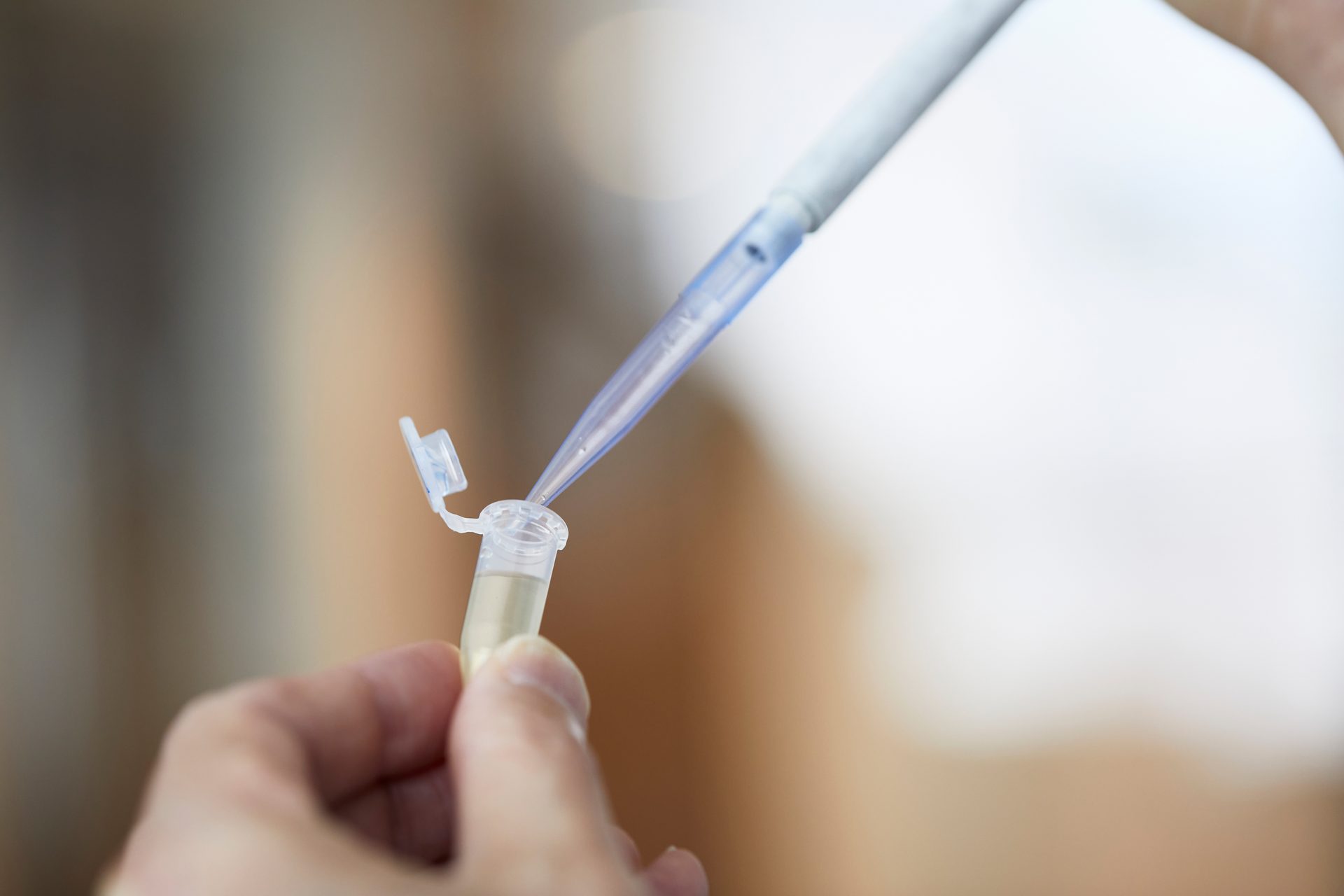
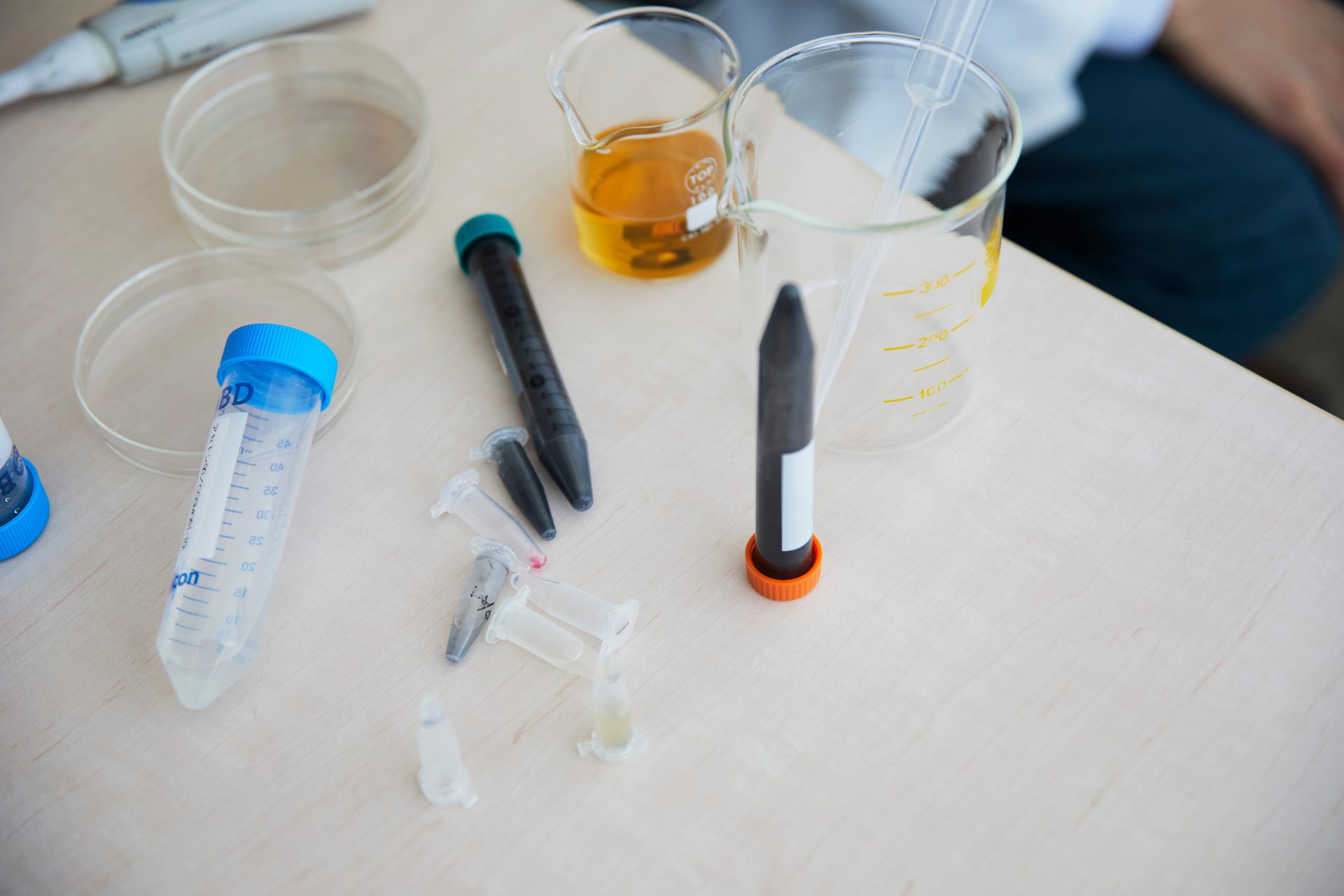
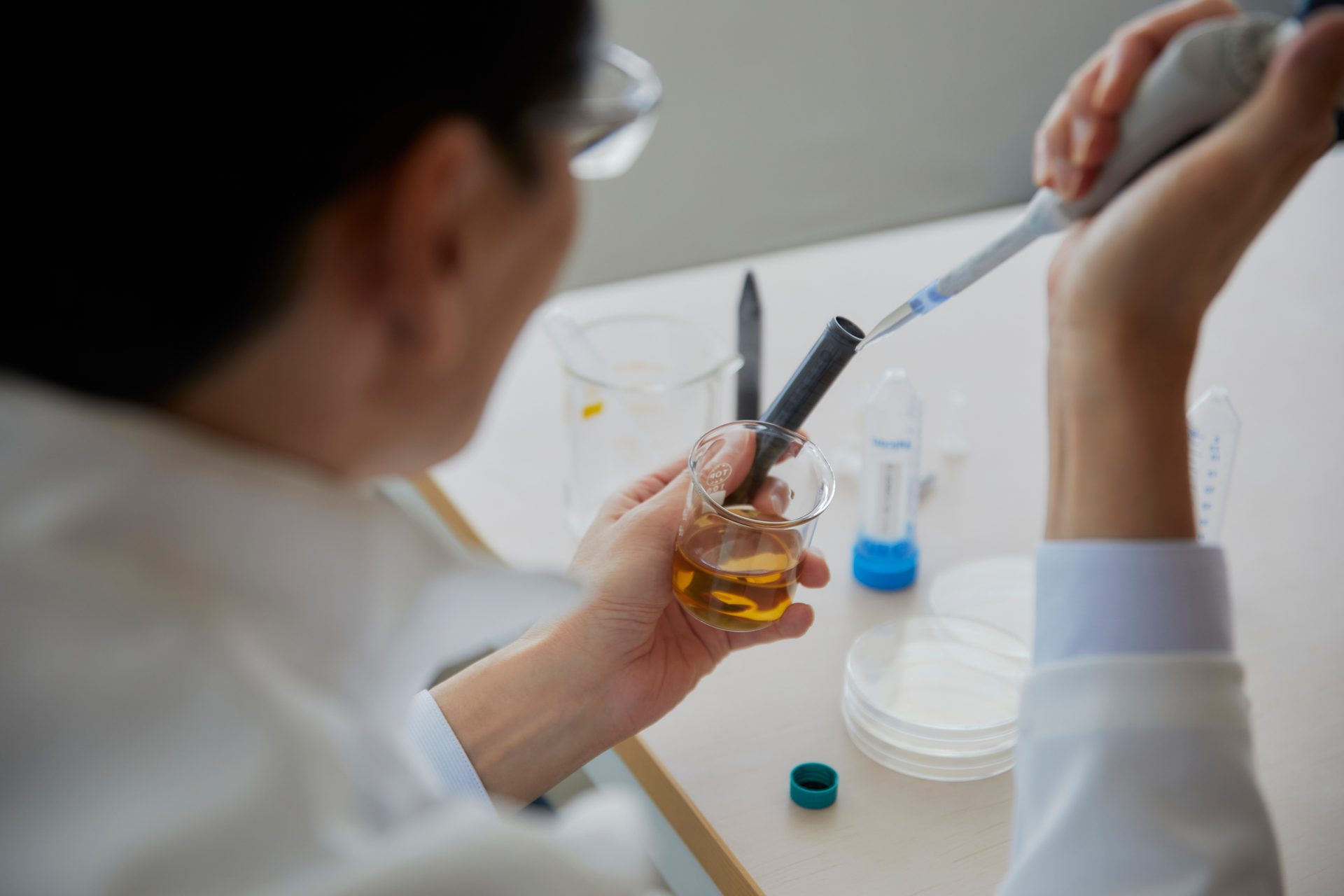

—オンラインサロンではどんなことをしていますか?
2022年から始めて100回を超えました。会員さんはネイルの先生をしている人が多い印象です。月2回、単発の話題を1時間。どのタイミングから入っても理解できるようにしています。先日は「ジェルは固まる瞬間に収縮していくけど、どういう理屈で起きていて、その現象が将来的にどう影響するのか」という話を、実際の製品を使って解説しました。皆さんがサロンワークで感じた疑問や違和感が腑に落ちるように伝えています。ほかに例を挙げると、硬化熱の測定テスト結果を、Instagramでは商品名を伏せていますが、オンラインサロンの希望者には公開しています。ただ「硬化熱が高いから良くないね」と言うのではなく「こういう風に使いこなしましょうね」というストーリーで伝えています。使う人と使われる人のリスクを減らすことが目的なので。
—What do you do in the online salon?
We started in 2022, and we’ve now held more than 100 sessions. Many of our members are nail instructors. We meet twice a month for an hour, focusing on a single topic each time, and I structure the sessions so anyone can follow along, no matter when they join. For example, I recently used actual products to explain why gel shrinks as it cures, what causes it, and how it might affect performance over time. I try to explain things in a way that helps people make sense of concerns from their salon work. I also share test results, such as curing-heat measurements. I leave product names out on Instagram, but I do share them with members who want to see them. Rather than simply saying,”This isn’t good because the curing heat is high,” I explain how to use the product effectively. The goal is to reduce risks for both nail technicians and their clients.
—ジェルネイルの開発は日本がリードしてきたのでしょうか?
ジェルネイルの始まりは日本ではなくて、ハードジェルはアメリカ、ソフトジェルはヨーロッパ。“いかにネイリストさんが使いやすいか” とか“ネイリストさんの想像力を実現させられるか” という進歩は日本です。ここ20 年くらいは、日本が先頭にいたと思います。最近は中国や韓国から新しいアイデアがたくさん出てきて、しのぎを削っていますね。日本のネイル開発という面では、LEDライトで硬化するジェルを初めて作ったのは私です。去年話題になった成分、TPOをジェルに初めて入れたのも私です。
—Has Japan been at the forefront of gel nail development?
The origins of gel nails were not in Japan. Hard gel came from the U.S., while soft gel came from Europe. Japan’s strength has been developing products that are easier for nail technicians to use and that bring their creativity to life. I believe Japan led the industry in this area for about 20 years. Recently, China and Korea have also been producing many new ideas, creating strong competition. In Japan, I was the first to develop a gel that cures with an LED lamp, and also the first to introduce TPO into gel products.
—EU で市場提供が禁止された成分、TPOですね。
硬化前のどろどろした状態のものを、実際には動物も食べるはずもないのに、胃に注入した結果、危険性があるとのことで禁止されました。皮膚に付かないように正しく塗布し、ライトで完全に硬化させるという工程全体で見れば安全に使える成分ですけど、規制の原則は国によって違いますからね。私がジェルネイルを硬化させるための光重合開始剤としてTPOを採用したのは、そもそもライトの問題があったからなんです。それまでは紫外線を出す蛍光管ランプが主流で、ジェルには紫外線に反応する開始剤が使われていました。ただ紫外線も強くて硬化時間も長い、ランプもすぐに切れてしまう。そこで蛍光管からLEDにしよう、と。その際に紫外線のリスクも考えて、可視光線を使うことにしたんです。その光に反応する成分としてTPOを持ってきただけなんですよ。当然、代替成分もわかっているので、あの騒動後すぐにTPOフリーのものを、今手がけているKLOSジェルから出しました。
—TPO is the ingredient banned for use in products in the EU.
The concern is that the uncured, gel-like material can be toxic if repeatedly given to animals. In the tests, it was administered directly into their stomachs, even though animals would not normally be expected to ingest the uncured material in actual use, and it was deemed hazardous and banned. When used properly – avoiding skin contact and fully curing it with a lamp – the ingredient can be used safely. But regulations differ from country to country. I originally chose TPO as a photoinitiator because of the limitations of the lamps at the time. Fluorescent UV lamps were standard, but UV exposure was a concern, curing took longer, and the lamps needed frequent replacement. Taking the risks associated with UV exposure into account, I decided to use visible light with LEDs. TPO was simply chosen as a photoinitiator that could respond to that light. We already knew there were alternatives, so soon after the controversy, we launched TPO-free products with KLOS Gel.
—以前も今も研究開発をされていますが、キャリアチェンジのきっかけは?
やりたいことをやるためにベストな選択でした。「やりたいことって?」と言われたら、過去に私が作った商品は、ネイリストさんのことを考えて作ったつもりではありますが、皮膚への刺激や安全性でマイナス面もあるんです。私は特にビギナーのネイリストさんを大事にすべきだと思っています。そういう人のアレルギー、皮膚トラブルのリスクが一番大きいんですよ。なぜなら、技術や所作はスクールやサロンで勉強するんですが、ジェルの成分や安全性という知識を教えられる機会が少ないから。そのリスクを知らずにトラブルが出て、ネイルを続けられなくなってしまう人は、以前から結構いるんです。メーカーや開発者としては安全にしていきたい。一方で、商売でもある。そこは必ずバッティングしてしまうんです。組織にいると発信にも制約があります。「こういう使い方をしてください」とは言えるけど、私が本当に言いたいのはリスクなんです。メーカーもネイリストさんも一斉にそちらを向けないのはわかっています。それでも新たな目線を作っていきたい。今年は北海道から九州まで、日本ネイリスト協会の認定校を回って、材料学と皮膚科学の講義をしました。
—You’ve worked in research and development throughout your career. What prompted you to change careers?
It was the best choice for me to do what I really wanted to do. The products I developed in the past were made with nail technicians in mind, but there were still some concerns regarding skin irritation and safety. I especially believe we need to protect beginners. They face a higher risk of allergies and skin problems. While they learn techniques at school or in salons, they have few opportunities to learn about gel ingredients and safety. Some people develop problems without knowing the risks and eventually give up doing nails. As a manufacturer and developer, I want to make things safer. But at the same time, it’s a business, so those priorities can conflict. When you’re part of an organisation, there are also limits to what you can say. You can explain how to use a product, but what I really want to communicate is the risk itself. I know it’s difficult for everyone to focus on this at once, but I want to create a new perspective. This year, I’ve been visiting certified schools of the Japan Nailist Association, from Hokkaido to Kyushu, giving lectures on material science and dermatology.
—製品としては自身のブランド、KLOSジェルが最高傑作でしょうか?
いやいや、まだまだ途上です(笑) 一つの通過点みたいなものですね。皆さんに使ってもらって、いろんな意見を聞いて「今のシステムだったらこういう使い方をしましょう」とセミナーをしたり、違う考え方のベースやトップを作った
り、発展していけたらと考えています。 ネイリストさんが求める性能と、将来こうあってほしいという安全性を天秤にかけると、どうしてもバランスが取りにくい。高いところで、今できる範囲で両立させているのがKLOSジェルの商品。
もっと上があるはずなので“高めていきましょう” という思いでやっています。ネイルの施術方法も時代と共に変わりますよね。昔はアクリルで、オンオフが当たり前でしたが、今はフィルインも増えて、皆さんがマシンを持っています。それに応じて材料も変わります。だからやることは結構たくさんあるんです。
—Would you say that KLOS Gel, your own brand, is your greatest achievement as a product?
Not at all—we’re still very much a work in progress(laughs). I see this as one step along the way. We want more people to use the system, listen to their feedback, and share ideas through seminars, such as how to make the most of the system as it is today. We also want to keep developing new approaches from different perspectives. It’s not easy to balance the performance that nail technicians want with the safety we hope to achieve in the future. With KLOS Gel, we’re trying to achieve the best possible balance with what we can do today. But we believe there’s always room to improve, so we want to keep raising the bar. Nail techniques also change with the times. Acrylic and full removal used to be the standard, but now more technicians are using fill-ins and have their own machines. As techniques change, the materials need to evolve too. There’s still quite a lot for us to work on.
—今後ジェルネイルの材料はどうなっていくと思いますか?
もちろん材料、成分選びがすごく大事になってきて、刺激の高い成分、アレルギーを引き起こしやすい成分をゼロにしていく取り組みは、既にメーカーさんもやっていると思います。一方で“持ち”、接着力を上げるということは、これからも無限に続いていく一つのテーマですね。機能と安全性って絶対にシーソーなんです。両方を上げていく動きは、今後もっと加速していく気がします。あとはネイリストさんの意識も変わってくると思います。ここ数年、イベントで「これってアレルギーですか?」「このジェルで痒くなったんですけど、どう思いますか?」っていう質問が増えています。原因がジェルなら表示を見て「この成分は刺激が強いよ」って言えるんですけど、プライマーが原因ということもある。ジェルのリスクを知ってるネイリストさんは“ジェル” というカテゴリーについては気にするけど“プライマー” になるとリスクがゼロだと思い込んでいる。「ちょちょって塗るだけでしょ。すぐ乾くし、何が問題なの?」って。関連製品やライトなどの道具まで、まだ知られてないことが結構あるんです。目に見えないものほど、危ないものが入っているケースがある。そういうところにも気をつけてほしいし、少しでもリスクを減らして楽しんでほしいですね。講義やセミナーを通じてこれからも材料学について発信していきたいです。
—How do you see gel nail materials evolving in the future?
Choosing the right materials and ingredients is becoming increasingly important. Manufacturers are already working to eliminate ingredients that are highly irritating or more likely to cause allergic reactions. At the same time, improving durability and adhesion will always be an ongoing challenge. Functionality and safety are always a balancing act, but I think the industry will increasingly focus on improving both. I also think nail technicians’ awareness is changing. At events, I’m getting more questions like, “Could this be an allergic reaction?” or “This gel made me itchy— what do you think?” Sometimes the cause is the gel, but it can also be the primer. They think, “You only apply a little, and it dries right away—
what could be the problem?” There are still many things – spanning both products and equipment – that people don’t know enough about. I want technicians to be aware of those hidden risks, reduce them as much as possible, and enjoy nail care safely. I’ll continue sharing my knowledge of material science through lectures and seminars.
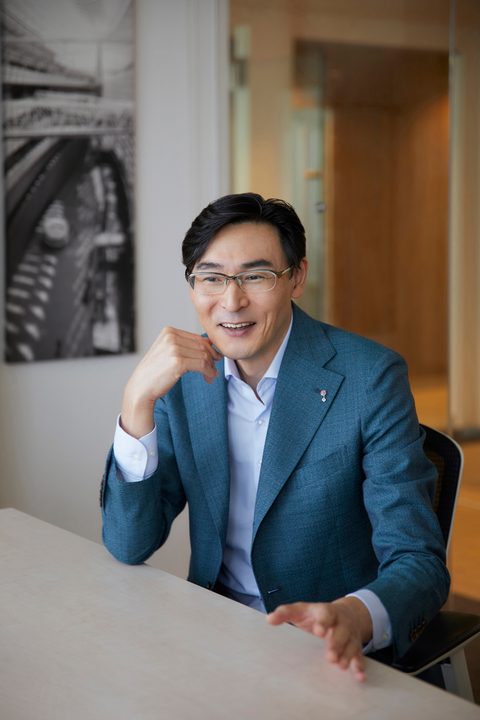
田中久生 HISAKI TANAKA
滋賀県生まれ。約20 年にわたりネイル材料の研究開発に携わり、ネイル業界の発展を支えてきた。現在は株式会社コンフェスタ取締役開発研究員として新商品を開発するほか、オンラインサロンや全国のネイル専門店、スクールなどでネイル材料学、皮膚科学の講義を行っている。
Born in Shiga Prefecture, Tanaka has been involved in the research and development of nail materials for nearly 20 years, helping drive the growth of the nail industry. He currently serves as Director and R&D Researcher at Confesta Co., Ltd., where he develops new products. He also lectures on nail materials science and dermatology through an online salon, at nail specialty stores and schools across Japan.
PHOTOGRAPHER : MIE NISHIGORI
EDITOR : MARIKO SOTOGUCHI
こちらの情報は『NAILEX 2026年12月号』に掲載された内容を再編集したものです。