三世代が語る、エアブラシの現在地。|THE EVOLUTION OF AIRBRUSH
2026.10.22
エアブラシアートを切り拓いた第一世代から、技術を広げた第二世代、そして新たな表現を生み出す第三世代へ。世代を超えた3名のネイルアーティストが、歩んできた道のりとそれぞれの視点から、エアブラシの現在地を語る。
From the first generation who pioneered airbrush nail art, to the second who expanded its possibilities, and the third who are creating new forms of expression. Three nail artists from each generation reflect on their journey and share their perspectives on where airbrush art stands today.

—皆さんが初めてエアブラシを手に取った頃、ネイル界、そしてご自身を取り巻く環境はどんな時代でしたか?
金子実由喜氏(以下、金子) 初めてエアブラシを見たのは、1980年代初頭、VOGUEのビジュアルでした。木製のハンドに、ロングネイルのチップがついていて、ブルーからオレンジ、赤へと燃える炎のようなグラデーションが描かれていたんです。当時はエアブラシだとは知らなかったけれど、「何これ素敵!」と強烈に印象に残りました。その後、ロサンゼルスでエアブラシを習っていた先生に「これ、やったことある?」と聞いたら、「ある」と。そこで初めて、エアブラシという技法で生まれたデザインだと知ったんです。その先生は元々舞台美術監督をされていたのですが、ネイルの世界に入ったきっかけがおもしろくて。当時付き合っていた彼女が、デートのたびに違うツメをしていて、長さまで違う。「どうしてるの?」と不思議に思ったのが始まりだったそうです。芸術家だから興味が湧いたんでしょうね。そしてまさにこの方が、エアブラシをネイルの世界に持ち込んだ張本人なんです。
大塚翔太氏(以下、大塚) 世界的に見ても、エアブラシネイルの第一人者ですね!
金子 そう。実際、その頃の日本ではエアブラシネイルはさることながらアクリルネイルもほとんど知られていなくて、「これは日本にも広めたい」と思うようになりました。3ヶ月に一度渡米して技術を学んだり、生徒を連れてアメリカのコンテストに参加したり、そこで得たものを日本に持ち帰り、少しずつエアブラシを教える環境やマニュアルを整えていったんです。
Rumi氏(以下、Rumi) まさに、日本におけるエアブラシネイルの黎明期ですね。
金子 当時のコンテストに『ファンタジーアート』という技法を問わない部門があって、アクリルペイントのフラットアートでも、ラインストーンでも、何を使っても良いのですが、徐々にエアブラシで挑戦する人が増えていったのは、すごく嬉しかったですね。やがて上位入賞作品もエアブラシアートが占めるようになって、エアブラシだからこそクオリティの高いアートができることが、少しずつ証明されていったように思います。
—When you first picked up an airbrush, what was the nail industry like at the time?
Miyuki Kaneko (hereafter, Kaneko) The first time I saw airbrush nail art was in a VOGUE visual in the early 1980s. It featured long nail tips on a wooden hand, painted with a fiery gradient from blue to orange and red. I didn’t know it was airbrush, but I remember thinking, “What is this? It’s amazing!” Later, I learnt that the design had been created with an airbrush by a teacher I met in Los Angeles. Originally a stage designer, she had become fascinated by nails after noticing that her girlfriend wore different designs and lengths on every date. She was the person who brought airbrush into nail art.
Shota Otsuka (hereafter, Otsuka) She was a true pioneer of airbrush nail art worldwide!
Kaneko Exactly. Airbrush nail art was barely known in Japan, so I wanted to introduce it here. I travelled to the US every three months to learn new techniques and took students to competitions, gradually developing ways to teach airbrush in Japan. There was a competition category called “Fantasy Art”, where any technique was allowed. It was exciting to see more people take on airbrush, and eventually their work began winning top prizes, demonstrating the quality the technique could achieve.
Rumi It really was the dawn of airbrush nail art in Japan.
Kaneko There was a competition category called “Fantasy Art”, where any technique was allowed. It was exciting to see more people take on airbrush, and eventually airbrush pieces began winning top prizes. I think that helped prove that high-quality nail art could be created with the technique.
—第二世代、第三世代のお二人はいかがですか?
大塚 僕がネイリストになった2012年頃は、エアブラシをやっているサロンは正直ほとんどありませんでした。というのも、ちょうどジェルが主流になり始めた時期で、従来のエアブラシとは相性が良くなかったことが大きな理由の一つだと思います。でも、僕にとってはそこがチャンスでした。ネイリストデビューと同時に自分のサロンを構える予定だったので、「エアブラシを極めたサロンにしよう」と独学で始めたんです。
金子 独学だったの?
大塚 はい。だから最初にエアブラシを買ったのも、ネイル問屋さんではなく、プラモデル屋さんでした(笑) コンプレッサーこそAiRTEXでしたが、ハンドピースはタミヤのもので、必要なものは模型屋で一から揃えていました。
金子 ああ、それは私たちの頃と似ているかもしれない。昔はネイル用の材料がほとんどなかったから、画材屋さんに走って、絵の具を自分で水で薄めたり、エア缶を使ったり。必要なものを自分たちで探して、工夫しながら使っていましたね。
大塚 すごく共感します。
Rumi 大塚先生は、ネイリストになられてすぐにサロンを構えられたそうですが、どのように集客されたんですか?
大塚 当時はSNSがまだ発達していなかったので、地道にビラを配ったりポスティングをしたり。元々飲食店で働いていたので、その時のお客様に声をかけて、そこから口コミで広げてもらったのも大きかったです。そのうち、他のサロンではやっていないエアブラシを求めて来てくださるお客様が増えて、サロンの強みになっていったんです。その後、セミナーを開催するようになって、予想以上に人が集まってくれて。エアブラシが再び注目されていく兆しのようなものも、その頃から感じました。今の世代の方にとって、エアブラシがどういう位置付けにいるのか気になりますね。
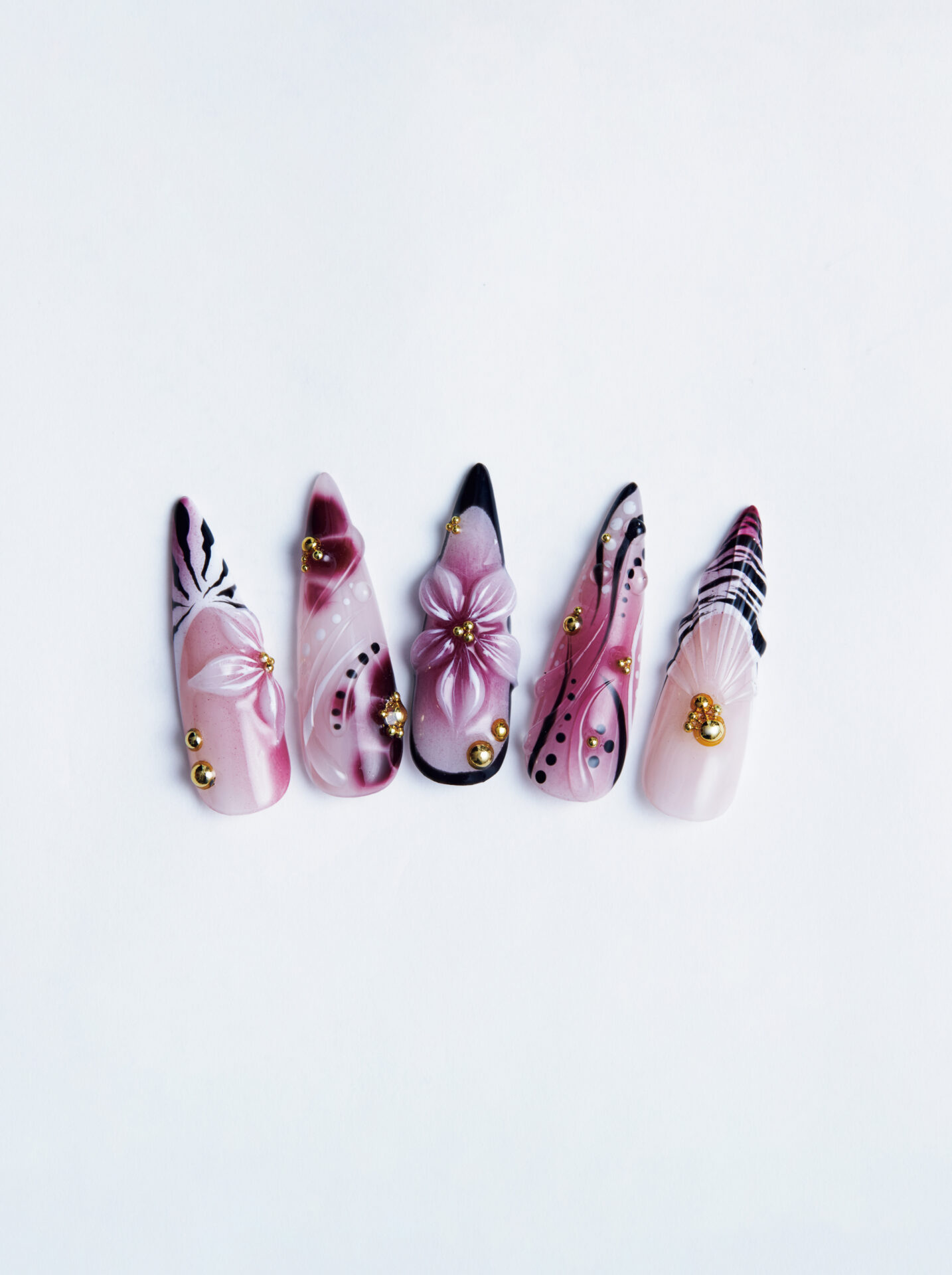
Rumi 数ある技法の一つとして、広く浸透しつつあるように思います。一方で、新しい技法や道具がどんどん出てきていて、グラデーションを作るにも多様な方法が選べる。なので、「エアブラシを使ってどのような表現ができるか」というより、例えばチークネイルなど、作りたいデザインがまずあって、その質感を一番きれいに出せる道具を選ぶ、という考え方をすることが多いですね。それでも先ほど、金子先生と大塚先生の作品を拝見して、「エアブラシでこんな表現ができるんだ!」と衝撃を受けました。
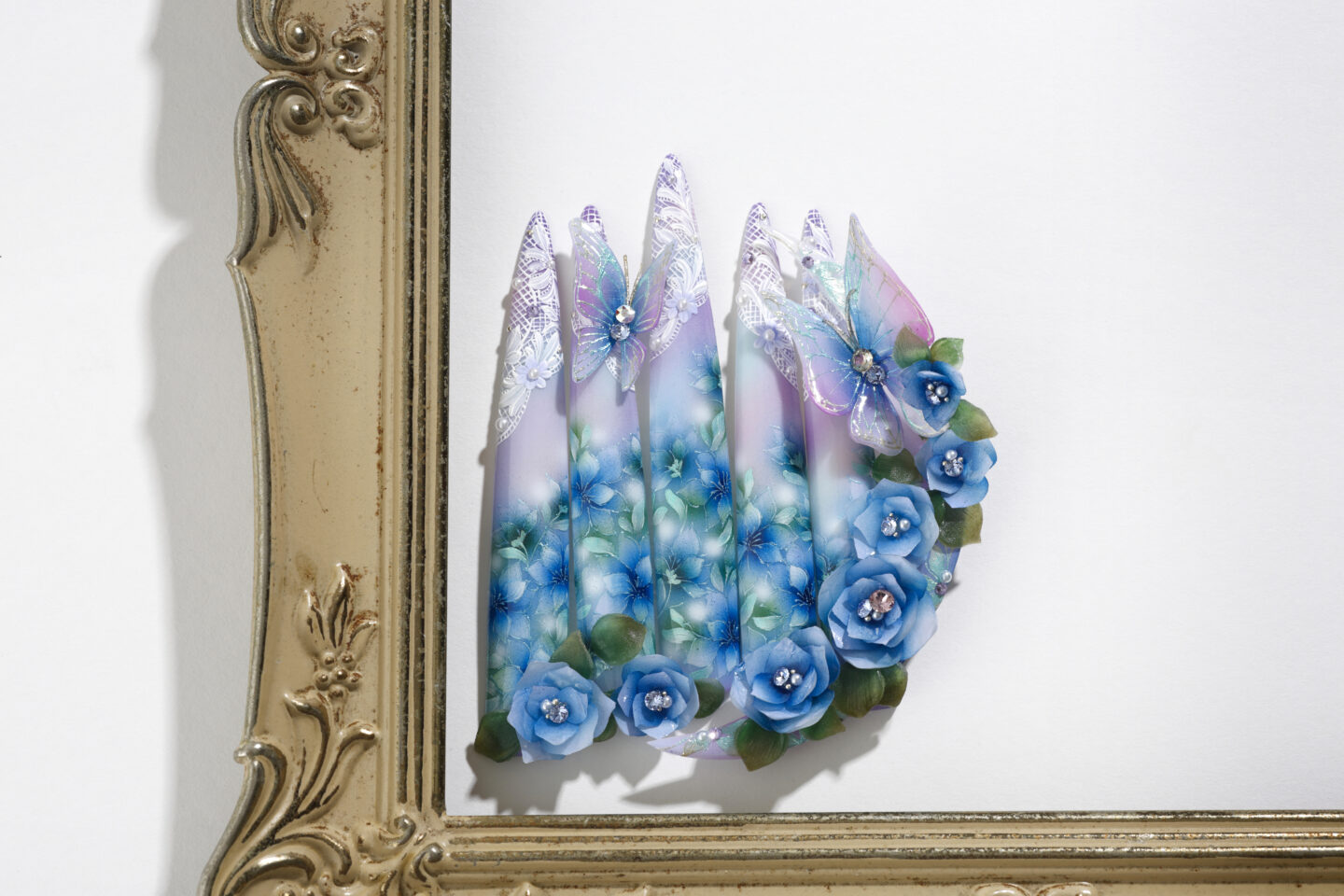
金子 そう言っていただけてとても嬉しいです。たとえシンプルなグラデーションであっても、色の濃淡や重なりは、よく見ると一つひとつ違っていて、まったく同じものはできません。Rumiさんにしか生み出せない表現が必ずあって、私が同じように作ろうとしても、どこか違って見えるものです。そう考えると、作り手ならではの色が自然と表れることこそ、エアブラシの魅力なのかなと思います。
—And what about the second and third generations?
Otsuka When I became a nail technician around 2012, very few salons offered airbrush. Gel was becoming mainstream, and it wasn’t particularly compatible with traditional airbrush techniques. But I saw that as an opportunity. I was planning to open my own salon, so I decided to specialise in airbrush and taught myself from scratch.
Kaneko You taught yourself?
Otsuka Yes. My first airbrush came from a model shop rather than a nail supply store. (Laughs.) I used an AiRTEX compressor and a Tamiya handpiece, and sourced everything myself.
Kaneko That sounds a lot like our generation. There were hardly any products made for nails, so we went to art supply shops, diluted paints ourselves and even used air cans. We had to figure everything out as we went.
Otsuka I can really relate to that.
Rumi You opened your salon soon after becoming a nail technician. How did you attract clients?
Otsuka Social media wasn’t widespread yet, so I handed out flyers and relied on word of mouth from former customers in the food and beverage industry. As airbrush wasn’t offered at other salons, it became one of our strengths. Later, my seminars attracted more people than expected, and I began to feel airbrush gaining attention again.
Rumi It’s now becoming established as one of many techniques. With so many new tools available, there are many ways to create a gradient. Rather than asking what I can express with airbrush, I usually start with the design I want – such as a blush nail – and choose the tool that creates the texture best. Even so, seeing Kaneko-sensei and Otsuka-sensei’s work made me realise just how much airbrush can do.
Kaneko I’m so happy to hear that. Even a simple gradient has subtle differences in colour and layering every time. There are expressions that only Rumi can create, and even if I tried to recreate them, they would look different. I think that individuality is one of the great charms of airbrush.
—ここからは、金子さんと大塚さんにエアブラシを実践していただきます。Rumiさんも、気になる点があればぜひ質問してください。
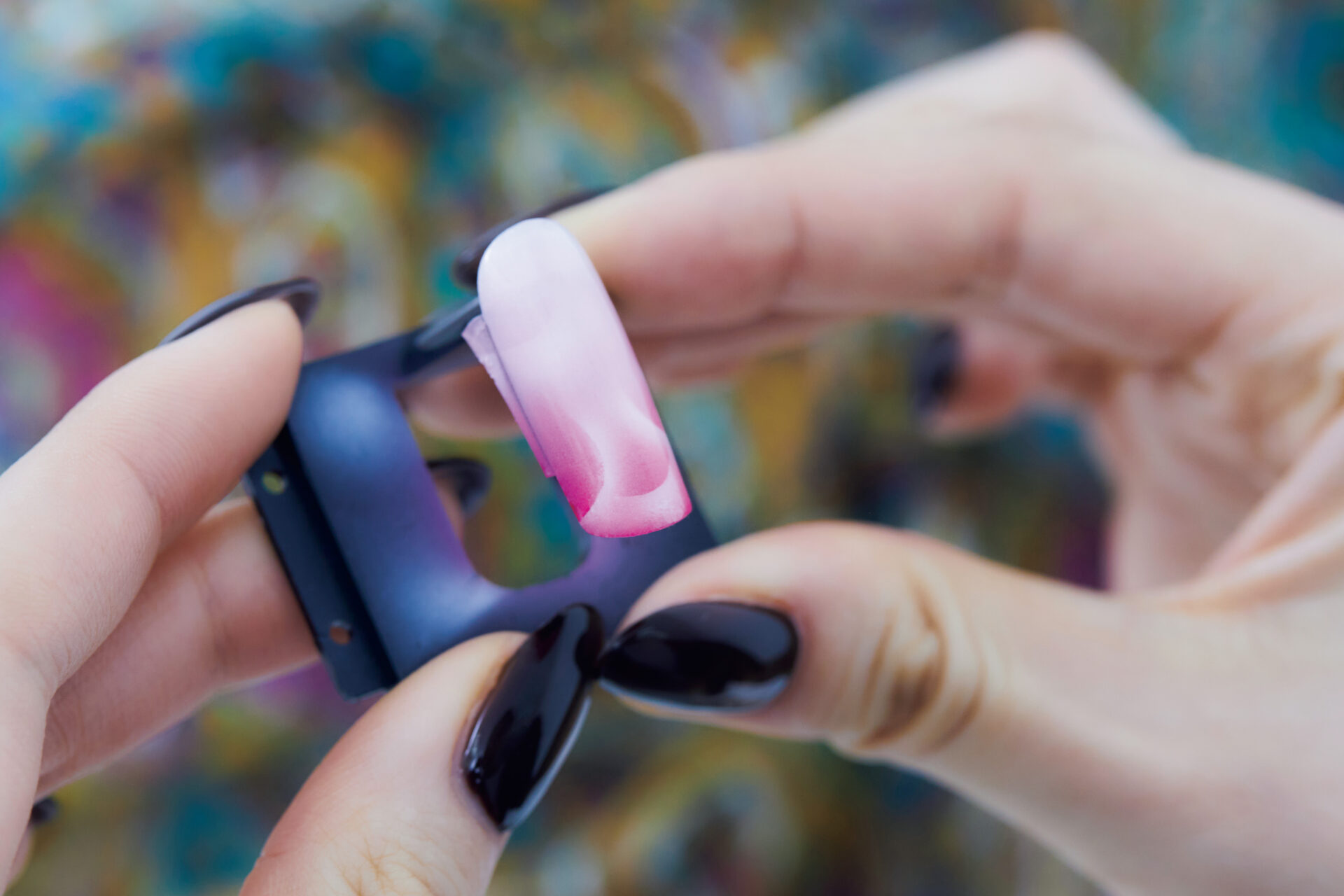
金子 ステンシルでポジを重ねていく方法が挑戦しやすいかと思いますが、ネガを使うとグンと奥行きが出ます。私の場合は、ベースにパールを塗るときもあります。特に愛用しているのはOPI NAIL LACQUER VERNIS À ONGLES。これを塗ることで上品な輝きが出て、エアブラシによるクリスタル感と繊細なデザインとすごく相性がいいんです。
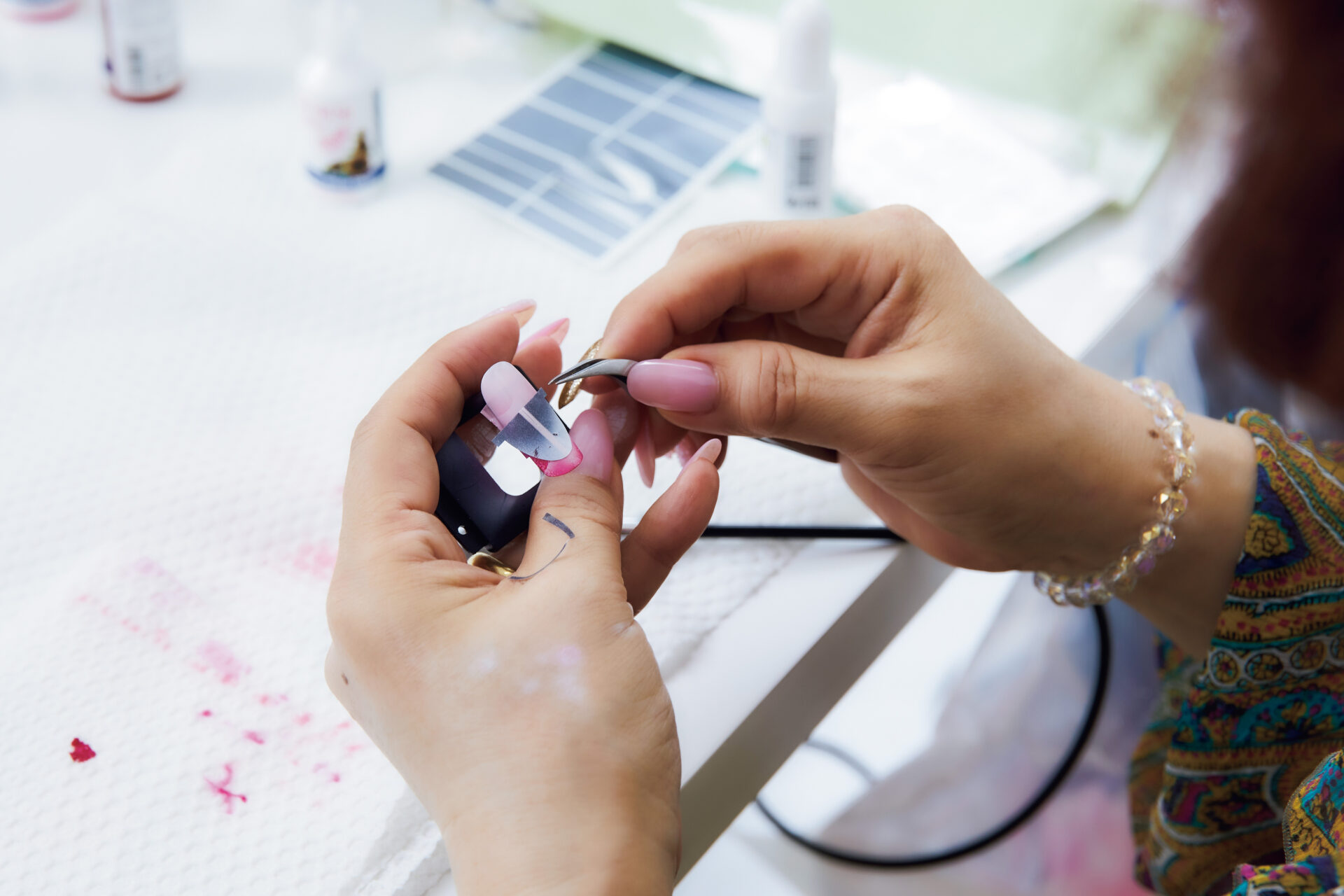
大塚 よければ、僕が監修しているMAC. マスキングシール フレンチを使ってみませんか? フレームや中央線も剥がして使えるので、最初にこれで位置を決めておくと、バチッとラインが取れるんです。
金子 すごく使いやすい! フィット感がすごいですね。
大塚 実はこれ、和紙でできているんです。とても柔らかいので、ツメに密着してくれるんですよ。
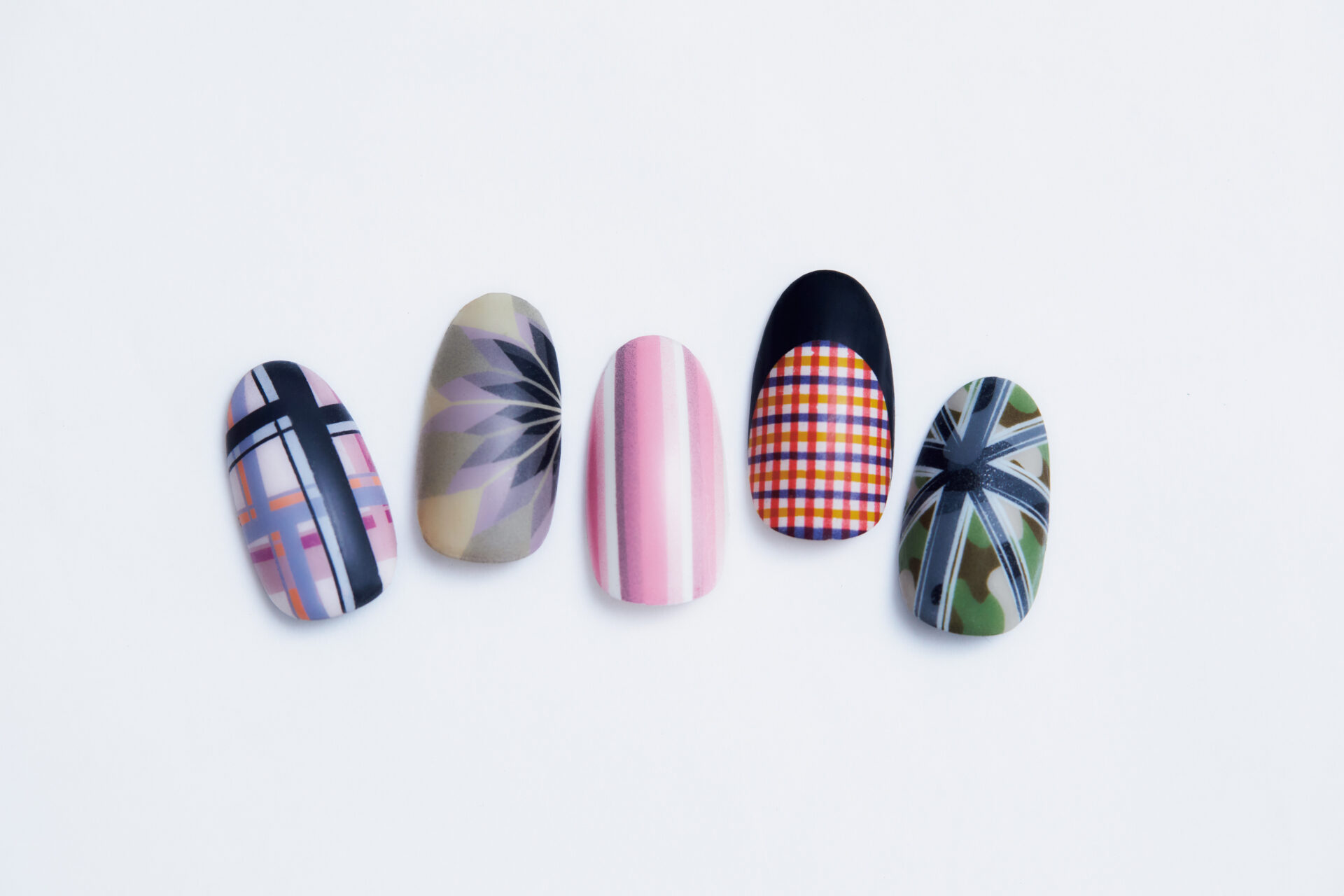
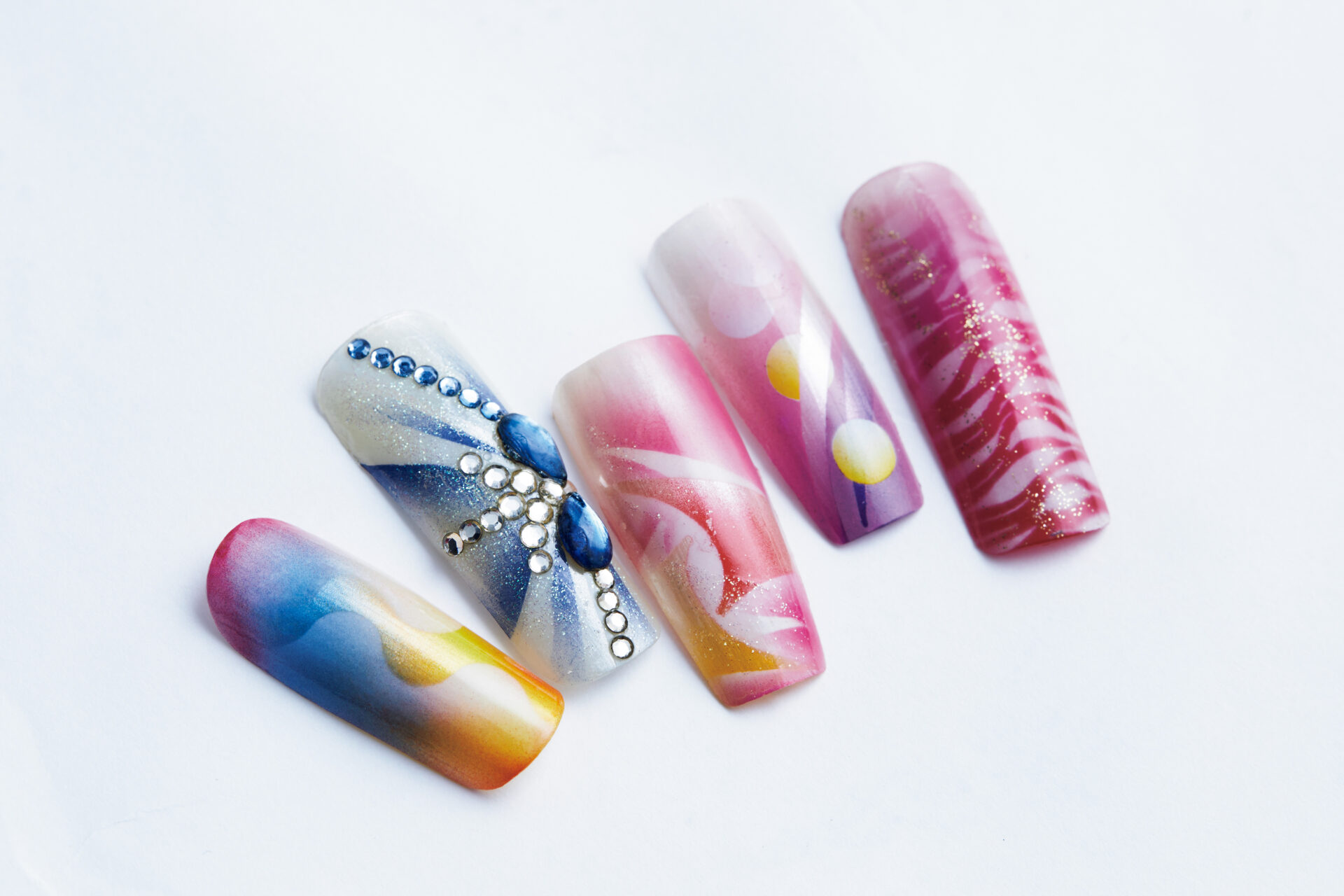
金子 シールが硬かったり大きかったりすると、どうしても浮いてきてしまうでしょう。そうなると、吹き付け方にテクニックが必要になるので、これは本当に使いやすいと思います。私は幾何学的なデザインが好きなので、このフレンチシールを使って、あえてそういったデザインに挑戦してみましょう(完成形はP53 右列2段目の写真)。大塚さんはどんなデザインを?
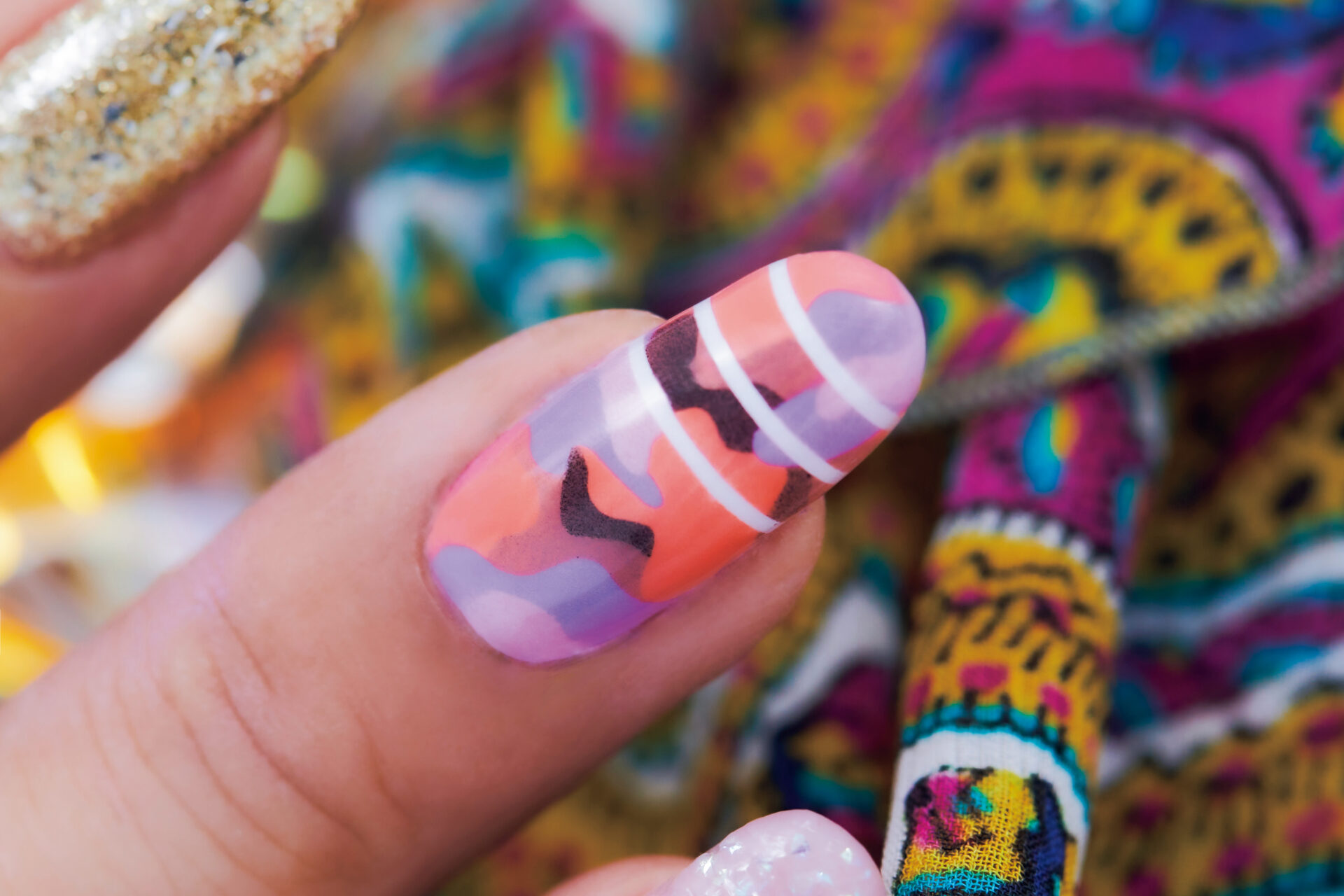
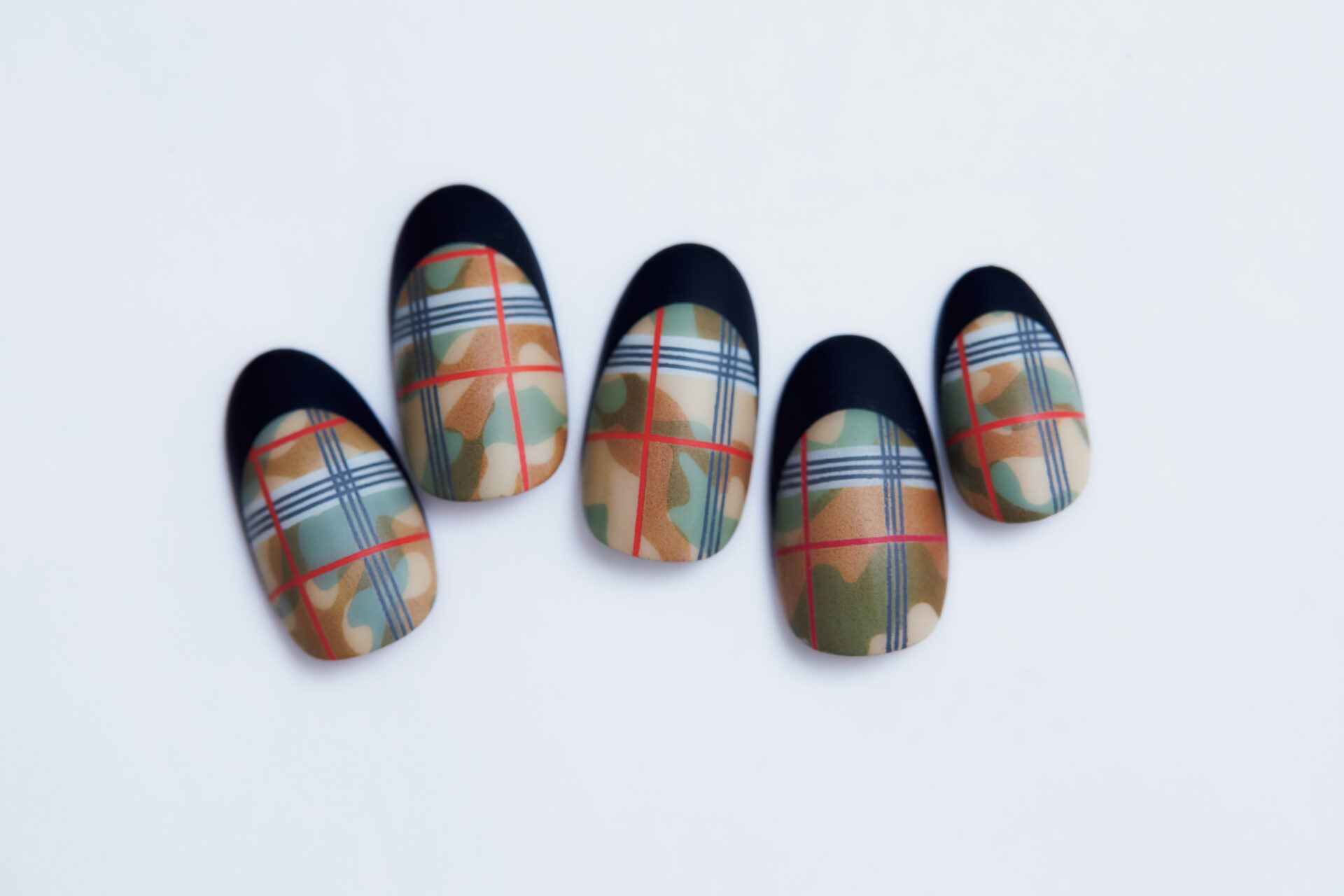
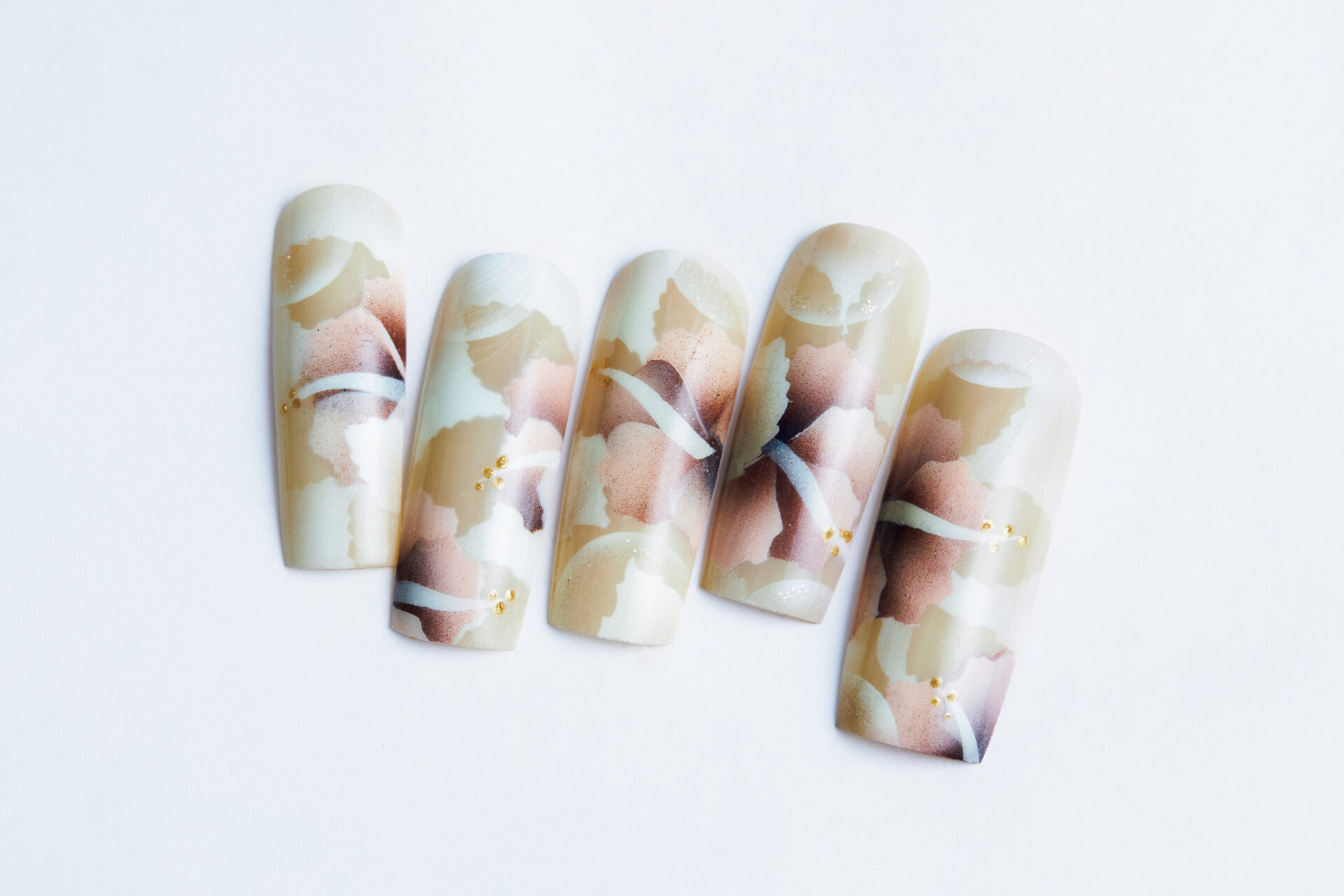
大塚 せっかくなので、Rumiさんがすごいと言ってくれたカモフラージュのデザインを実践してみようと思います。
Rumi ありがとうございます! シールをのせていく際のポイントはありますか?
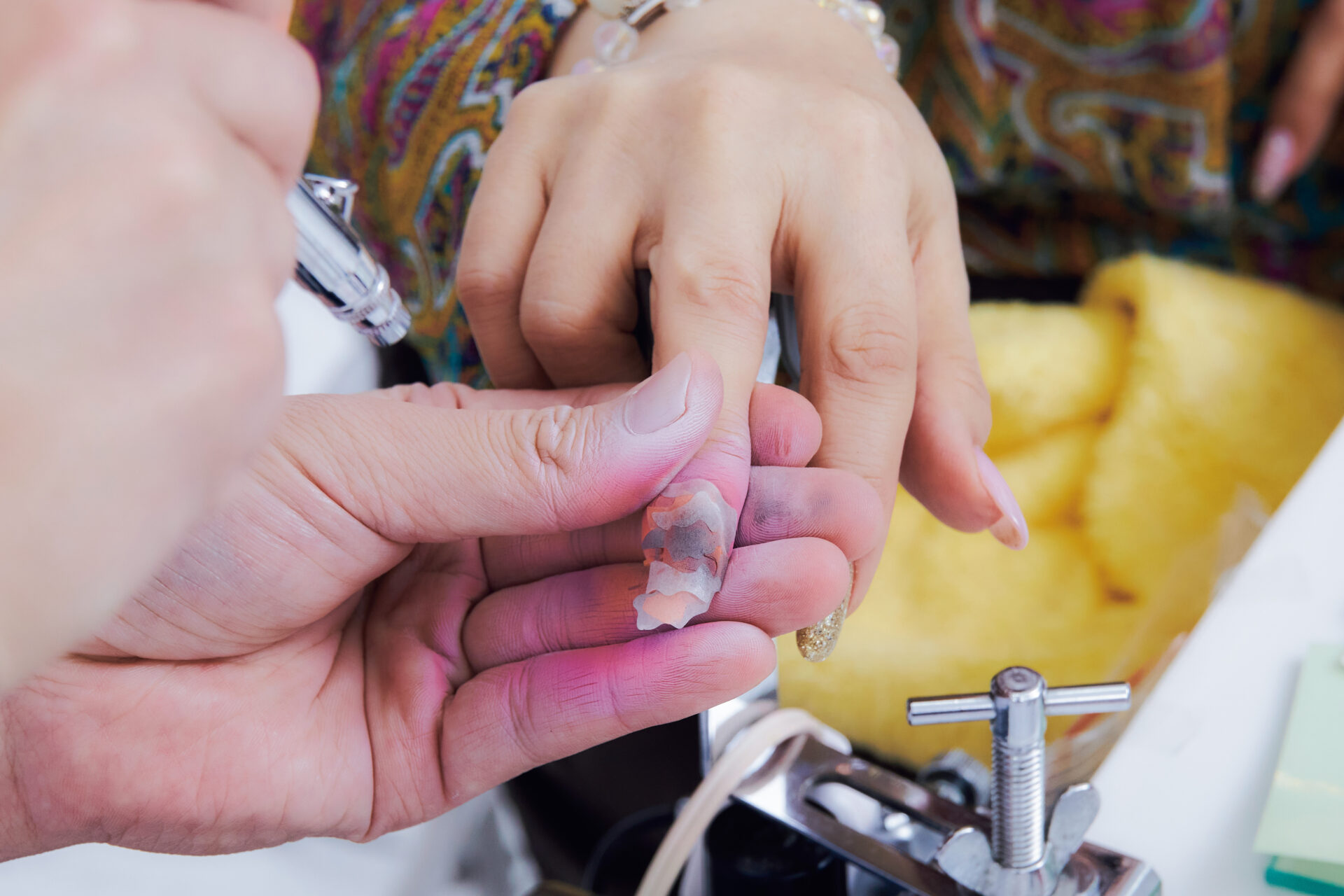
大塚 小さいサイズのものから、徐々に大きいものをのせていくと失敗しにくいです。あとは、残っている余白を均等にしていくと、バランスのいいカモフラージュになります。同じレイヤー上でシールとシールが重なると、つながってひとつの柄になってしまうので、そこは注意が必要です。前のレイヤーとはいくらつながってもいいのですが、重ねていったマスキングを最後に剥がしたら、何も残っていない、ということもあって。最初は結構失敗しやすいんです。
金子 あるある。雲を作っていたはずが、池になっちゃったり(笑) でも、私が海を描いたつもりの作品を、子どもたちが「お空きれい!」と言ってくれたことがあって。それでいいと思っているんです。デザインに間違いはないから。だからとっても楽しいし、本当に自由ですよね。
大塚 デザインが完成したら、一度ベースジェルを塗ってからトップジェルを塗るのが、僕なりのこだわりです。絵の具のような柔らかいものに、いきなり硬さのあるトップをのせると、絵の具が持っていかれてしまうことがあるんですよ。柔らかいベースで絵の具の層をサンドイッチしてあげると、きれいに仕上がります(完成形はP53 右下の写真)。
Rumi 完成形のチップを見ただけでは、正直やり方のイメージができていなかったので、制作の工程やポイントを間近で伺えて、とても勉強になりました。
—From here, Kaneko and Otsuka will demonstrate their techniques. Rumi, please feel free to ask questions.
Kaneko Layering positive stencils is a good place to start, but negative stencils create more depth. I like to use a pearl base, especially OPI NAIL LACQUER VERNIS À ONGLES. Its subtle sheen works beautifully with delicate airbrush designs.
Otsuka Would you like to try the MAC. MaskingAirCollection® French masking stickers that I supervise? You can remove the frame and centre line, so you can establish the position and create a crisp line.
Kaneko They’re so easy to use! The fit is amazing.
Otsuka They’re made from Japanese washi paper, so they’re soft and adhere closely to the nail.
Kaneko If a sticker is too stiff or large, it lifts and makes spraying difficult. I love geometric designs, so I’ll use these to create one. What are you going to make?
Otsuka I’ll demonstrate the camouflage design that Rumi liked.
Rumi Is there anything to keep in mind when placing the stickers?
Otsuka Start with smaller pieces and gradually add larger ones. Keep the remaining spaces balanced for a better camouflage pattern, and avoid overlapping stickers within the same layer.
Kaneko Absolutely. I once meant to paint clouds and ended up with a pond! (Laughs.) But there’s no single right answer in design. That freedom is what makes it so much fun.
Otsuka Once the design is complete, I apply a layer of base gel before the top gel. Putting a hard top gel directly onto a soft paint layer can pull the paint away, so sandwiching it between softer layers gives a cleaner finish.
Rumi I couldn’t have imagined the process just from looking at the finished tips. Seeing the techniques up close was really educational.
—皆さんの愛用の道具についても教えてください。
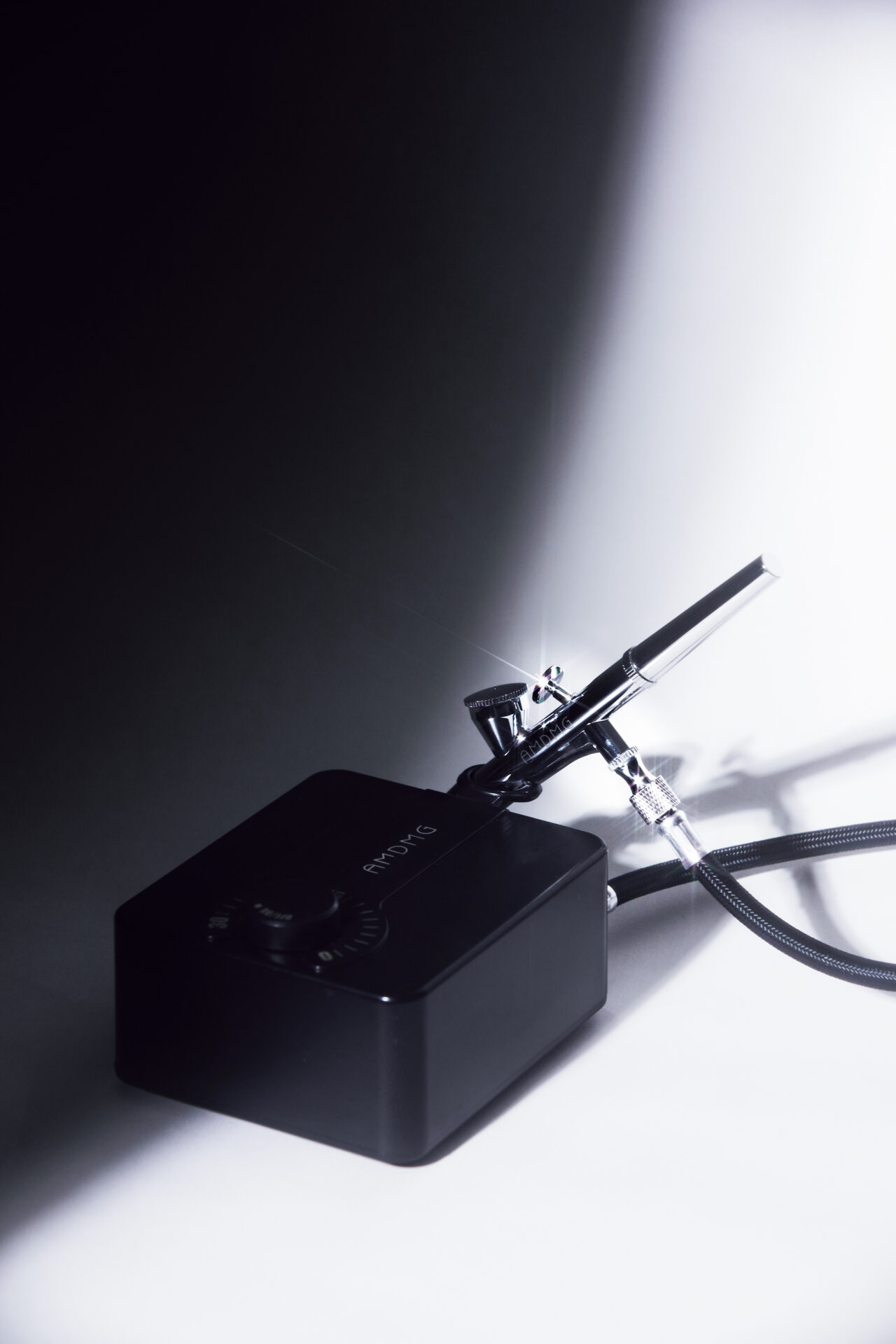
Rumi AMDMGというメーカーのものを使っています。中国メーカーでエアブラシといえばこれ、という定番のマシンです。他と比較したことはあまりないのですが、直感的な操作性が気に入っています。同じブランドの薄め液も必須アイテム。カラージェル1に対して薄め液2の割合で混ぜると、手持ちのカラージェルをインクとして使えるんです。
大塚 僕はAiRTEXを長年愛用しています。手のひらに収まるコンパクトさがお気に入りです。空気圧の調整はできないので、多少の技術は必要ですが、セミナーなどで実践する機会が多いので、持ち運びのしやすさは大事なポイントですね。
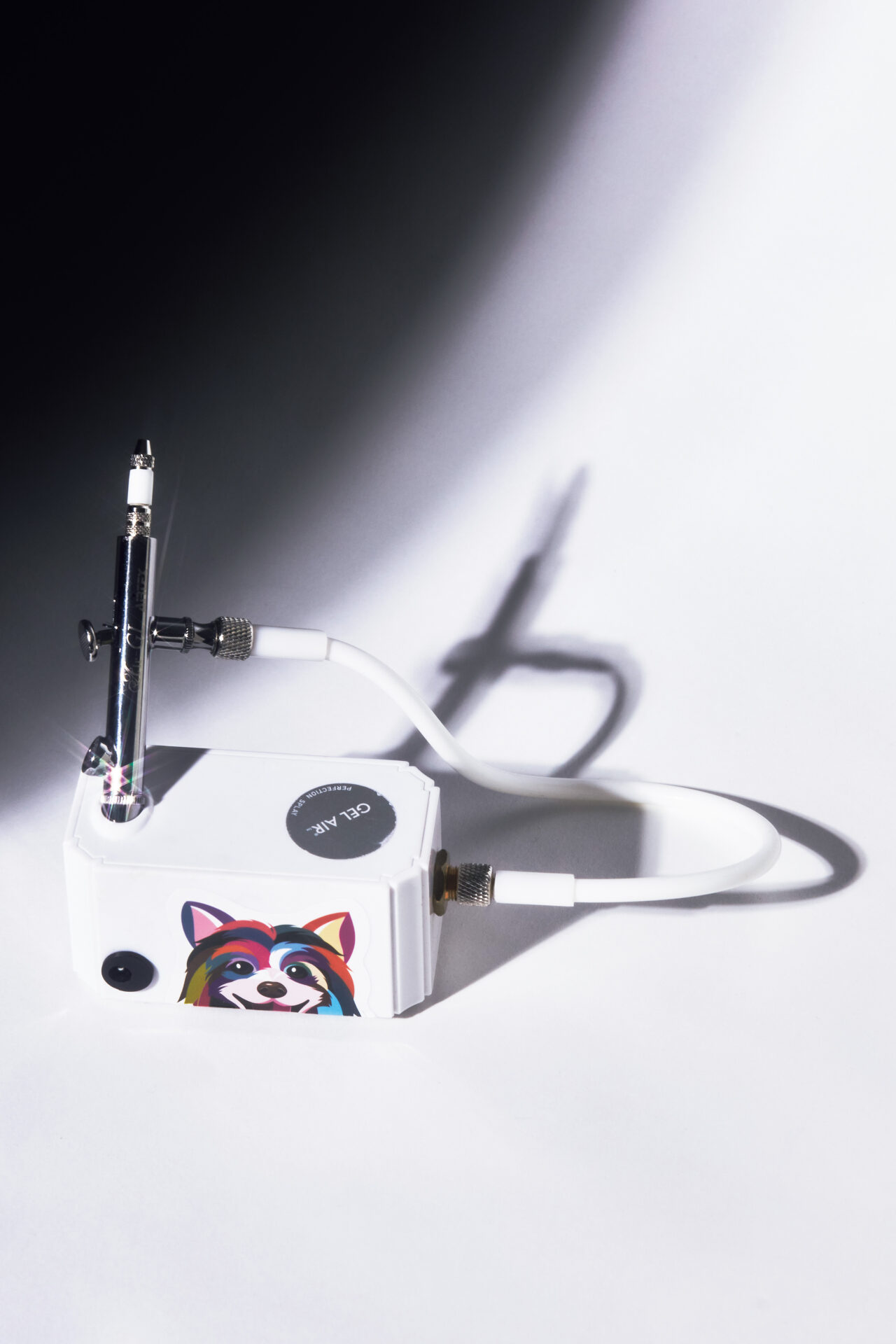
Rumi すごく小さい! 本当に手のひらサイズですね。金子先生は2種類使ってらっしゃるんですね。こんなに大きいものは初めて見ました。
金子 エアブラシを披露する場面によって、適宜使い分けています。例えばデモのときに大きな機材を出すと、生徒さんも少し構えてしまうでしょう。Airfixのようなモデルであれば、「これなら自分たちにもできそう」と思ってもらえる。私たちはエアブラシの魅力を伝えたいので、まずは心理的なハードルを下げることが大事だと思うんです。実際、これからエアブラシを始めたいという方にも、コンパクトで扱いやすいものをおすすめしています。一方で「作品を作るぞ」というときは、Richconの方がより気合いが入りますね。パワーもあるので、シュッシュッと吹けば、5分ほどで仕上がってしまうくらい。また、1台に対してハンドピースを3本までつなげられるので、教室で教える際にもこちらを使っています。
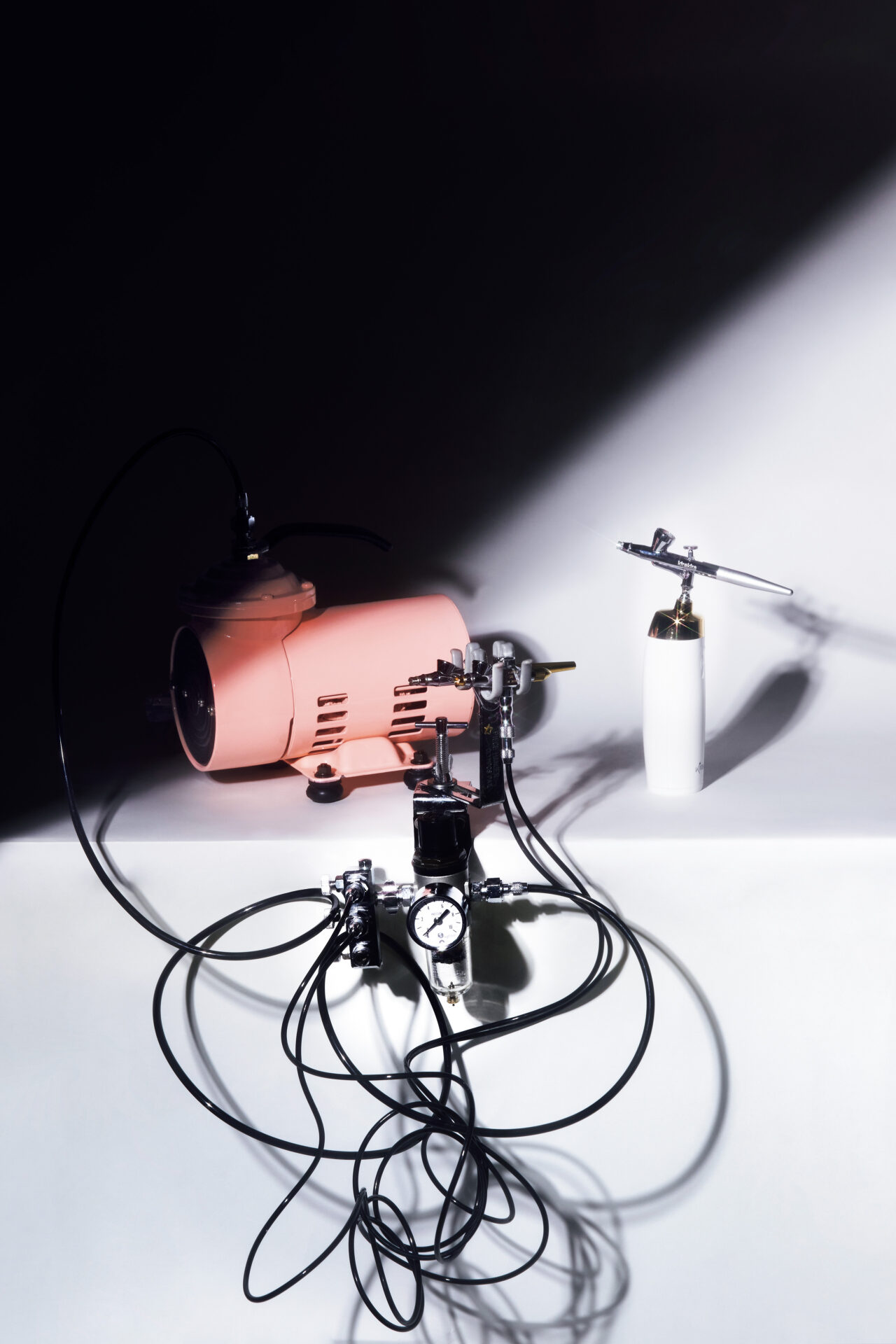
—Could you tell us about the tools you use regularly?
Rumi I use AMDMG, a Chinese brand known for airbrush equipment. I like its intuitive operation, and its thinner is essential, too. Mixing one part colour gel with two parts thinner allows me to use the gel as ink.
Otsuka I’ve used AiRTEX for many years. I like how compact it is and how easy it is to carry. You can’t adjust the air pressure, so it takes some skill, but portability is important when teaching seminars.
Rumi It’s so small! Kaneko-sensei, you use two different machines?
Kaneko I choose depending on the situation. Large equipment can make students feel intimidated, while a compact model like Airfix makes them think, “I could do this too.” Lowering that psychological barrier is important. For creating finished pieces, I prefer Richcon. It has more power, so I can finish a piece in around five minutes. It can also connect up to three handpieces, which is useful for teaching.
—ネイルアートの表現が無限に広がる今、どんなアプローチをしていくことが、エアブラシのさらなる普及につながると思いますか?
Rumi 新しい道具やマテリアルも日々増えている中で、エアブラシが“特別な技術”ではなく、もう少し身近な存在になったらいいなと思っています。スポンジ一つでグラデーションが作れる時代に、洗浄や準備、メンテナンスが必要なエアブラシは、どうしても敬遠されやすい。ただそういった“手間”にこそ、愛着は生まれると思うんです。それから、今はカラーだけですが、マグネットやラメなど、ほかの素材や質感と組み合わせられたら、可能性がもっと広がると思います。そうなれば、エアブラシは技術の一つにとどまらず、ネイルアートのベースのような存在になれるんじゃないかなと思っています。
金子 ファッションの流行って、20年周期で繰り返されると言いますよね。エアブラシも40年という歴史の中で、もちろん浮き沈みはある。ただ、どんな時でも私たちが考え続けなければいけないのは、エアブラシという表現で、どのようなクリエイティブを生み出せるのかということ。例えば、ジェルネイル検定の初級で出題されるピーコックネイルも、エアブラシでも作れないだろうかとシミュレーションしていくんです。エアブラシが秘める可能性を信じ、実践を続ける。その道のりもすごく楽しいものだと思うんです。
Rumi 今日お話を聞いていて、チークネイルもまさしくそうだと思いました。先日お客様から「今流行っているのでやりたい」と言われたんです。ただ、技術そのものは何十年も昔からあったわけで、それをどう見せるかによって、一気に注目される場面が来るんだなと思いました。
金子 本当にそう思います。あとは“チークネイル”というネーミングも大事ですよね。例えば“バカラネイル”もそうですが、一種の共通言語をつくることで、幅広い層に知ってもらうきっかけになると思います。キャッチーなフレーズがつけば、お客様も「これをやりたい」と言いやすいし、ネイリストもおすすめしやすくなりますから。
大塚 エアブラシ協会を運営する立場としては、エアブラシを体系的に学べる機会がもっと増えればいいなと思います。それこそ、美容学校で本格的に学べる時代が来れば理想ですね。もちろん基本はブラシワーク。ただその先に、エアブラシという選択肢が当たり前にあれば、“面倒だ”という概念そのものも無くなりもっと普及するのではないかなと思っています。
—With so many ways to express nail art today, what could help airbrush become more widely used?
Rumi I’d love airbrush to become an everyday option rather than a specialist technique. Unlike a sponge, it requires preparation and maintenance, but that can also build a bond with the tool. I’d love to combine it with other materials and textures, such as magnetic effects and glitter, making it a foundation for nail art rather than just one technique.
Kaneko Over its 40-year history, airbrush has had its ups and downs. The key is to keep exploring its creative potential. I often experiment with recreating existing techniques, such as peacock designs, using airbrush. That spirit of experimentation is part of the fun.
Rumi That reminds me of blush nails. A client recently asked for them because they’re trending, but the technique has existed for decades. Sometimes, all an existing technique needs is a fresh presentation.
Kaneko Exactly. Names like “blush nails” and “Baccarat nails” help designs catch on by creating a shared language. They make it easier for clients to request a look and for nail technicians to recommend it.
Otsuka As head of the Airbrush Association, I’d love to see more structured learning opportunities, ideally even in beauty schools. Brushwork is fundamental, but if airbrush becomes an everyday option, the idea that it’s “too much trouble” may eventually disappear.

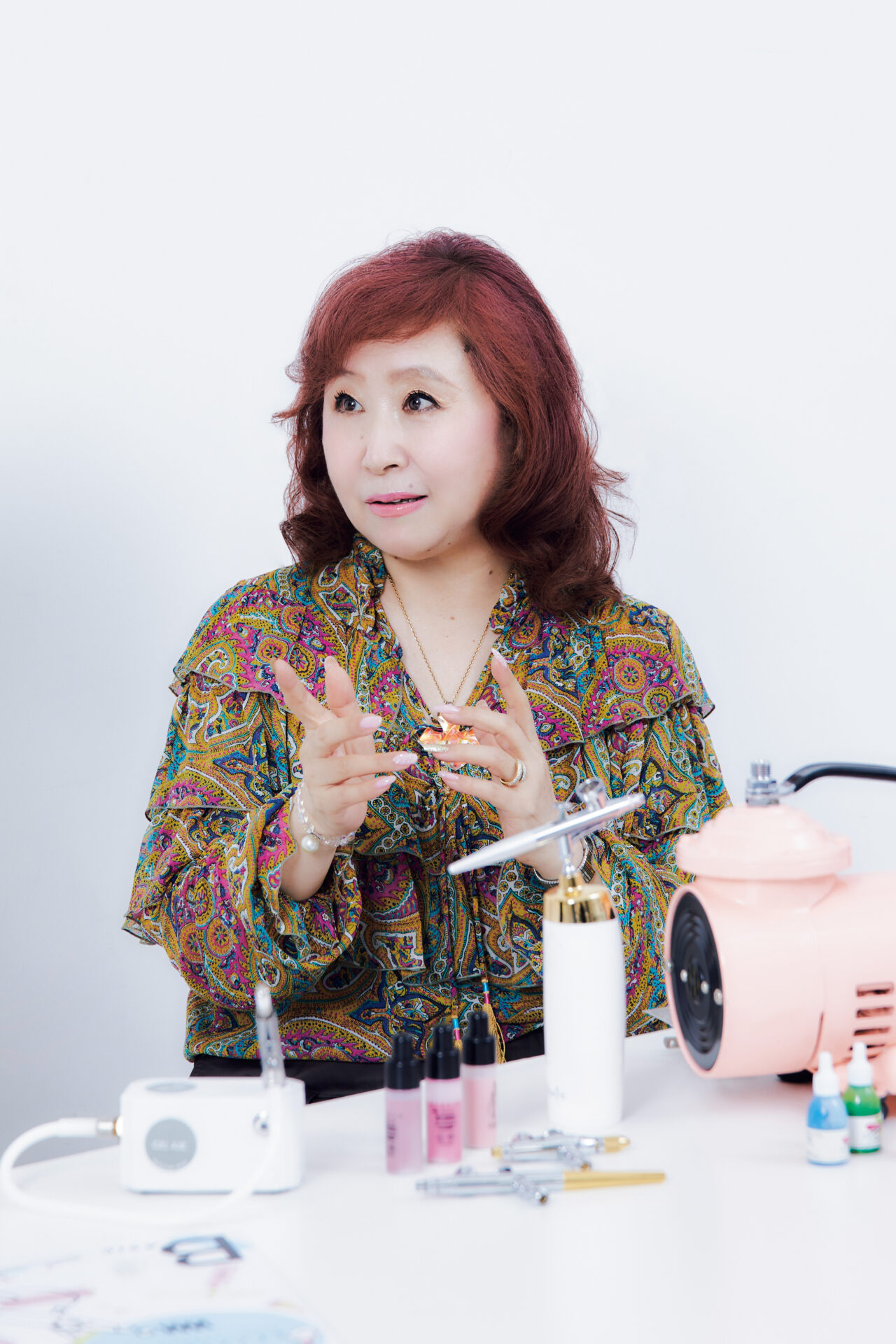
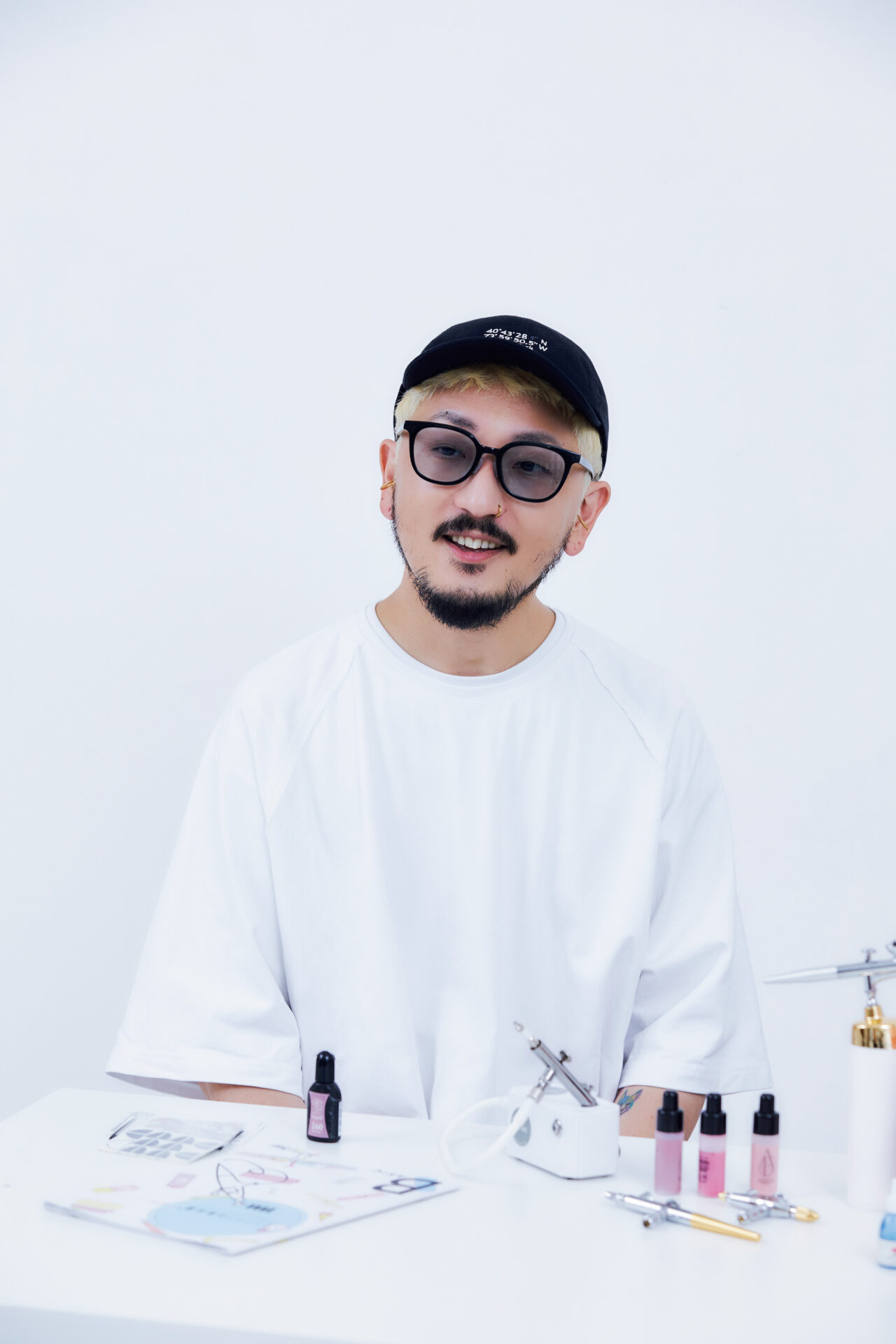
左: 大塚翔太
一般社団法人世界エアブラシ協会 代表理事。独自のエアブラシ技法や「MAC. Masking
AirCollection®」「air acce®」などのアートシステムを展開。国内外でセミナーや講座を行う。エアブラシをより身近な技術として広める活動を続けている。
Left: Shota Otsuka
Chairman of the World Airbrush Association. Otsuka has developed his own airbrush techniques and art systems, including “MAC. MaskingAirCollection®” and “air acce®”. He conducts seminars and courses both in Japan and internationally, while continuing to promote airbrush as a more accessible and versatile technique.
中央: 金子実由喜
キャリエールネイルスクール学院長/NPO法人日本ネイリスト協会(JNA)副理事長。日本のネイル業界の黎明期から第一線で活躍し、エアブラシアートを日本に広めたパイオニアの一人。2025年には「卓越した技能者(現代の名工)」に選出。
Center: Miyuki Kaneko
Principal of Carriere Nail School and Vice Chairperson of the Japan Nailist Association (JNA). A leading figure in Japan’s nail industry since its early days, Kaneko is one of the pioneers who helped introduce and establish airbrush art in Japan. In 2025, she was recognised as one of Japan’s “Contemporary Master Craftspeople”, an honour awarded to individuals with outstanding professional skills.
右: Rumi
Rumi Nail 新宿 代表。ワンホンネイルや韓国ネイルをはじめ、上品で華やかなトレンド感のあるデザインを得意とし、Instagramでは最新のネイルデザインを幅広く発信している。
Right: Rumi
Owner of Rumi Nail Shinjuku. She specialises in elegant, glamorous and trend-conscious designs, including Chinese and Korean-inspired nail art, and shares a wide range of the latest nail trends on Instagram.
PHOTOGRAPHER: MIE NISIGORI
EDITOR: MAKO UCHIDA
※『NAILEX 2026年12月号』に掲載された内容を一部掲載、再編集したものです。